Dog grooming is a crucial component of pet care that greatly enhances a dog’s general health and wellbeing. For many pet owners, the concept of DIY dog grooming might seem daunting at first; however, it offers numerous advantages. By grooming your dog at home, you not only save money that would otherwise be spent on professional grooming services, but you also create an opportunity to strengthen the bond between you and your pet. Engaging in this practice can help you become more attuned to your dog’s specific needs, preferences, and any changes in their health.
One of the primary benefits of DIY dog grooming is the cost savings associated with it. Regular grooming sessions at a professional salon can add up quickly, especially for breeds needing frequent grooming. By taking on the grooming responsibilities yourself, you can allocate those savings towards other essential aspects of your dog’s care. Additionally, using the right tools and techniques, beginners can maintain their dog’s coat properly and efficiently, minimizing the time and effort required.
Furthermore, grooming is not only about aesthetics; it is crucial for maintaining your dog’s hygiene and preventing health issues. Regular grooming helps to identify potential problems such as skin irritations, parasites, or lumps that may need a veterinarian’s attention. It encourages good circulation and promotes a healthy coat. By understanding basic grooming techniques, even those new to dog care can successfully approach DIY grooming. This practice can lead to a more enjoyable and positive experience for both the owner and the dog, fostering trust and comfort during grooming sessions.
Gathering the Right Tools
To effectively undertake DIY dog grooming, it is crucial to gather the right tools tailored to your dog’s specific needs. Different breeds and coat types necessitate various grooming tools to ensure the best results while maintaining your pet’s comfort. Below are some essential grooming tools that every pet owner should consider.
Firstly, brushes play a vital role in maintaining your dog’s coat. There are several types of brushes available, each serving a particular function. For instance, a slicker brush is excellent for removing tangles in long-haired breeds, while a bristle brush is suitable for short-haired dogs to remove loose fur and promote a healthy shine. Make sure to select a brush that aligns with your dog’s coat type to achieve the most effective results.
Next, clippers are essential for trimming and shaping your dog’s hair when required. Choosing the right clipper is crucial; opt for a model with adjustable blades for versatility. For dogs with thicker coats, heavy-duty clippers may be needed, while lightweight clippers are perfect for breeds with finer hair. Ensure that the clippers are quiet to alleviate any stress for your pet during the grooming sessions.
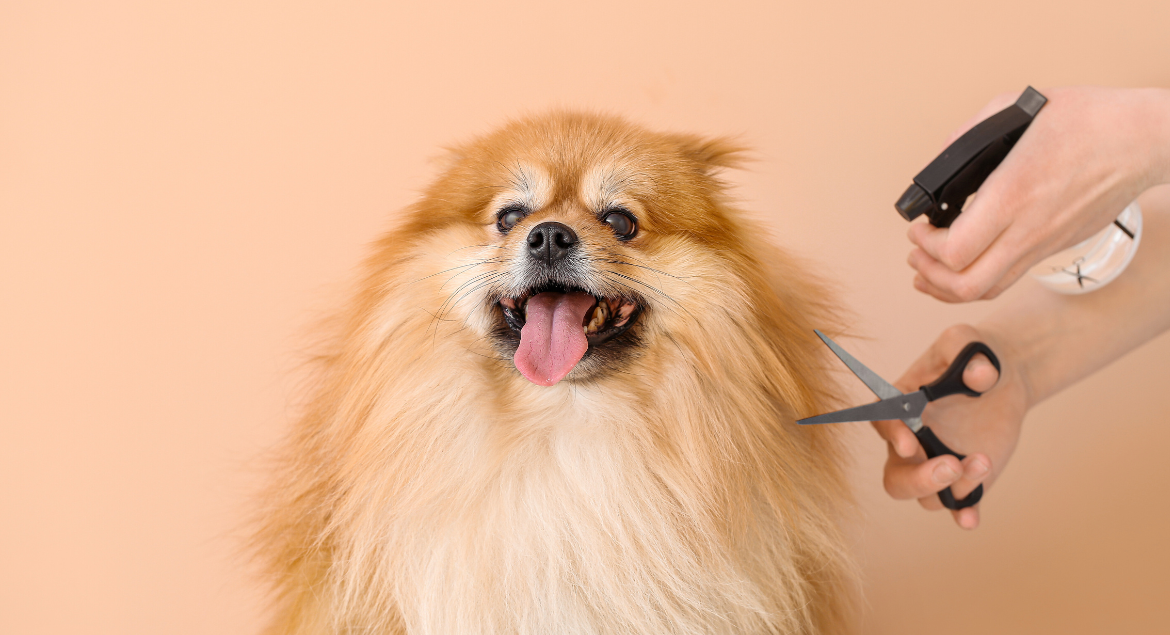
Additionally, investing in quality scissors can enhance the overall grooming process. Straight shears are typically used for trimming fur in various areas, while thinning shears can help reduce bulk in thick coats. When selecting scissors, choose those specifically designed for pet grooming as they offer safety features to prevent accidental injuries.
Lastly, nail trimmers are essential to keep your dog’s paws healthy. There are two main types: guillotine-style and scissors-style trimmers. Select a style that feels comfortable to use and suits the size of your dog’s nails. Regular nail trims will not only keep your dog comfortable but will also prevent issues related to overgrown nails.
By carefully selecting the appropriate grooming tools, you will be well-equipped to keep your dog looking and feeling great while engaging in the rewarding activity of DIY grooming.
Creating a Comfortable Grooming Space
Setting up a proper grooming space is essential for a successful DIY dog grooming experience. The first step is to select a non-slippery surface, which will provide stability for your dog and prevent any accidents during grooming. This can easily be achieved with a rubber mat or a dedicated grooming table that has a non-slip top. It is important to ensure that the space is large enough for both you and your dog to move freely without feeling cramped. This will allow you to maneuver around your pet easily, making the grooming process less stressful.
Good lighting is another crucial aspect of creating a comfortable grooming area. Adequate lighting enables you to see your dog clearly, ensuring that you do not miss any tangles or areas that require extra attention. Natural light is the most ideal, so positioning your grooming setup near a window can be beneficial. However, if that is not possible, then investing in a bright, adjustable lamp can ensure you have the perfect amount of light to work with.
Furthermore, establishing a calming atmosphere for grooming is vital in making the process enjoyable for both you and your dog. Consider playing soft music or using a sound machine with relaxing noises to soothe your pet during the grooming session. This can help alleviate any anxiety that your dog may experience while being groomed. Always provide breaks during the grooming process, allowing your dog to relax and adjust to the activity. It’s important to ensure that the experience remains positive, fostering a sense of trust between you and your furry companion. Ultimately, a well-thought-out grooming space will not only enhance the well-being of your dog but also improve your overall grooming efficiency.
Basic Grooming Techniques
For beginners, mastering basic grooming techniques can lead to a healthier and happier canine companion. Here, we will discuss fundamental techniques such as brushing, bathing, drying, nail trimming, and ear cleaning, providing you with easy-to-follow steps that will build your confidence in grooming.
Brushing your dog’s coat is the first step in maintaining a clean and healthy appearance. Choose a brush suitable for your dog’s coat type—be it short, long, or curly. Start by gently detangling mats and knots, working from the base to the tip of the hair. Regular brushing not only removes loose hair but also promotes a healthy coat and skin by distributing natural oils.
Bathing is another crucial grooming technique. Before bathing, ensure you have the right shampoo that is specifically formulated for dogs, as human products may be too harsh for their skin. Wet your dog thoroughly with warm water, apply the shampoo, and lather well. Rinse thoroughly to remove any shampoo residues, as this can irritate your dog’s skin. Be sure to bathe your dog only as needed, as excessive bathing can strip their coat of essential oils.
Once bath time is complete, drying is necessary to keep your dog comfortable. Use a towel to absorb excess water, and if your dog tolerates it, consider using a pet-safe blow dryer on a low setting. Always keep the dryer at a safe distance from the skin to avoid injury.
Nail trimming is an important grooming task that helps prevent discomfort and injuries caused by overgrown nails. Invest in a good quality nail clipper and trim your dog’s nails regularly, taking care to avoid the quick, which is the sensitive part of the nail.
Lastly, ear cleaning is essential for preventing infections and odors. Use a veterinarian-approved ear cleaner and cotton balls to gently clean the outer parts of your dog’s ears. By mastering these basic grooming techniques, you’ll not only maintain your dog’s hygiene but also strengthen the bond between you and your furry friend.
Understanding Your Dog’s Coat Type
Recognizing your dog’s coat type is a fundamental aspect of effective grooming. Dog coats can generally be categorized into four main types: short, long, curly, and wiry. Each coat type presents unique characteristics that influence your grooming routine and the tools required for optimal care.
Short-haired dogs, such as Beagles and Boxers, possess sleek, low-maintenance coats that typically require minimal grooming. Regular brushing with a rubber curry brush or a bristle brush can help remove dead hair and promote skin health. This coat type is less prone to matting, which simplifies the grooming process. However, occasional baths using dog-friendly shampoo are still necessary to keep their coat clean and shiny.
Long-haired breeds like the Golden Retriever or Afghan Hound require more diligent grooming efforts. Their flowing coats can become tangled and develop mats if not brushed regularly. A stainless-steel comb and slicker brush are essential tools for maintaining their coat, as they can effectively detangle and remove loose hair. Additionally, regular grooming helps distribute natural oils, enhancing the coat’s overall luster.
Curly-coated breeds, such as the Poodle and Portuguese Water Dog, have unique grooming needs. Their coats can trap dirt and debris, necessitating frequent cleaning and grooming sessions to prevent matting. Utilizing a pin brush followed by a comb works well in maintaining the shape and health of their curls. Moreover, regular trims may be necessary to control the length and keep their coat manageable.
Wiry coats, like those found on terriers, require a different approach. These coats often need hand-stripping or specialized grooming tools to maintain their texture and appearance. Regular grooming helps preserve the distinctive wiry feel of the coat while preventing tangling and debris accumulation.
Understanding your dog’s specific coat type is vital in selecting the appropriate grooming tools and techniques. By tailoring your grooming practices to suit your dog’s unique needs, you can ensure their coat remains healthy, shiny, and free of tangled hair.
Recognizing the Signs of Grooming Needs
Understanding when your dog requires grooming is essential for maintaining their overall health and comfort. Several key signs indicate that your furry friend may need a grooming session. While it is normal for dogs to shed fur, an increase in shedding can indicate that the dog’s coat needs attention. Regular grooming helps manage loose hairs and prevents accumulation of fur around your home.
Another significant indication that your dog may require grooming is the presence of matting in their coat. Matted fur not only looks unkempt but can also cause discomfort or skin issues for your pet. Regular brushing can help prevent mats from forming and keep the coat healthy. If you notice tangles or clumps of fur that are difficult to comb through, it may be time to initiate a grooming routine.
Additionally, odor can serve as an important signal of grooming needs. If your dog’s coat has developed an unpleasant smell, it is essential to address it promptly. This odor can derive from dirt, oil buildup, or underlying skin conditions, all of which a thorough grooming session can alleviate. Bathing should be part of your grooming practice, but it is important to find the right balance to avoid drying out their skin.
Establishing a regular grooming schedule tailored to your dog’s breed, coat type, and lifestyle can significantly aid in maintaining their coat health. Many breeds require brushing several times a week or even daily, while others may need less frequent grooming. By staying attentive to these signs and creating a routine, pet owners can keep their dogs looking and feeling their best.
Dealing with Grooming Challenges
When it comes to DIY dog grooming, pet owners often encounter various challenges that can make the process daunting. A common issue is dealing with a dog that exhibits fear or resistance towards grooming. This behavior can stem from unfamiliarity with grooming tools or previous negative experiences. Addressing these concerns requires patience and understanding from the owner, which can significantly enhance the grooming experience for both the dog and the owner.
One effective strategy for overcoming fear is to desensitize your dog to grooming equipment gradually. Introduce tools such as clippers, brushes, and combs in a non-threatening environment. Allow your dog to sniff and inspect the equipment while providing treats to create positive associations. The key is to proceed slowly and gauge your dog’s comfort level before progressing to actual grooming. It is vital to ensure that your dog feels safe and secure during this process.
Utilizing positive reinforcement is another powerful method to encourage a more cooperative attitude towards grooming. Reward your dog with treats, praise, or playtime after each successful grooming session or when they remain calm during the process. This reinforces good behavior and helps your dog associate grooming with pleasurable experiences. Consistency is crucial; incorporating grooming into your dog’s routine can help them adjust over time.
Safety should always be a priority. If your dog shows signs of extreme fear or aggression, it may be prudent to seek the assistance of a professional groomer or trainer who can assist in desensitization techniques. Keep grooming sessions short and stress-free to avoid overwhelming your dog. By addressing these common challenges proactively, pet owners can establish a healthy grooming routine that benefits both their dog’s hygiene and emotional well-being.
Post-Grooming Care and Maintenance
After grooming your dog, the importance of post-grooming care cannot be overstated. This phase is crucial for maintaining your dog’s coat and skin health between grooming sessions. A proper post-grooming routine helps ensure that your pet remains comfortable and looks their best. The first step is to examine the coat for any remaining tangles or debris. A gentle brush can help remove these, reducing the likelihood of matting and keeping the fur clean and healthy.
Regular brushing is one of the most effective ways to maintain your dog’s coat at home. Depending on the breed and coat type, dogs typically benefit from brushing several times a week or even daily. This not only removes loose hair but also distributes natural oils throughout the fur, promoting a healthy shine. Utilizing the proper brush for your dog’s coat type is essential—slicker brushes work well for long-haired breeds, while bristle brushes are more suitable for short-haired dogs.
In addition to brushing, monitoring your dog’s skin is essential for their comfort and health. Look for signs of irritation, redness, or dry patches. Should you notice any anomalies, consider implementing home remedies, such as natural oils, to soothe the skin. For example, coconut oil can provide moisturizing benefits and alleviate dryness, while aloe vera is known for its healing properties and can help calm irritated skin. Moreover, regular baths using a gentle, dog-specific shampoo can contribute positively to your dog’s overall hygiene.
Apart from coat care, it is essential to maintain your dog’s hygiene in other areas, such as their ears, teeth, and nails. Regular checks and care for these areas will complement your grooming efforts, ensuring a well-balanced approach to your pet’s grooming and maintenance needs. Adopting these post-grooming care techniques is vital for ensuring the longevity and health of your dog’s coat, leading to a happier, healthier pet.
Resources and Further Learning
For those embarking on the journey of DIY dog grooming, it is essential to continually enhance your skills and knowledge. Numerous resources are available to help aspiring groomers, ranging from detailed books to comprehensive online platforms. One highly recommended book is “The Grooming Manual” by Peter Schneider, which offers expert guidance on various grooming techniques and insights into different dog breeds. This resource serves not only as an introduction but also as a reference guide for advanced grooming methods.
In addition to literature, online tutorials have gained popularity for their accessibility and visual guidance. Platforms such as YouTube feature numerous channels dedicated to dog grooming techniques. These videos allow learners to observe professionals in real-time, making it easier to replicate specific grooming styles and practices. Notable channels like “Groomer Has It” offer step-by-step tutorials catering to both beginners and seasoned groomers, allowing viewers to choose skills tailored to their level of expertise.
Furthermore, investing in workshops and seminars can provide hands-on experience that is invaluable in mastering the art of dog grooming. Local pet stores and veterinary clinics often host grooming classes that cover practical skills, breed-specific grooming techniques, and tips on maintaining dog hygiene. Online courses available through educational platforms can also be beneficial, empowering individuals with structured learning formats designed for various skill levels. Participating in discussions forums and online communities dedicated to dog grooming can also serve as a great way to ask questions and share experiences with other grooming enthusiasts.
Continuous education in dog grooming not only enhances personal skills but also contributes to the overall well-being of pets. Therefore, exploring these various resources will equip you with the necessary knowledge and techniques to excel in DIY dog grooming.