
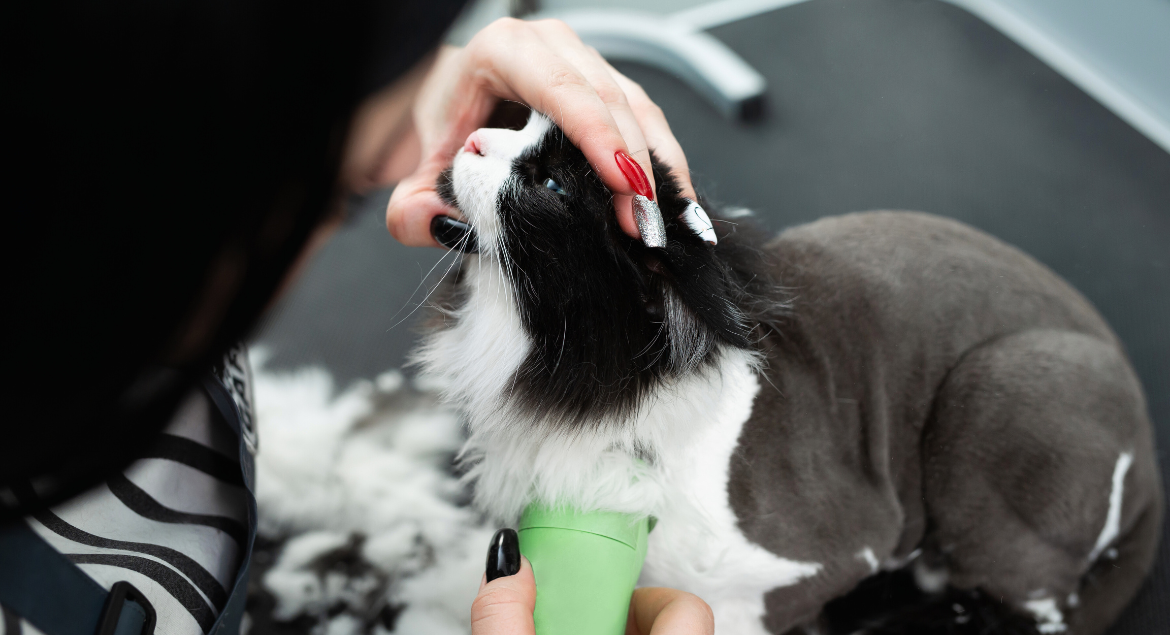
Grooming is an essential aspect of feline care that contributes significantly to a cat’s overall health and well-being. Regular grooming serves multiple purposes, including reducing shedding, preventing matting, and promoting a clean and healthy coat. By enriching the grooming routine, cat owners can enhance their pets’ comfort while also minimizing allergens and hair around the house. Shedding is a common concern for many pet owners, and diligent grooming can help manage this by removing loose fur before it has a chance to scatter throughout the living environment.
A common misconception regarding cat grooming is that it is exclusively for long-haired breeds or that cats can adequately groom themselves without assistance. While it is true that cats possess a natural grooming instinct, they may not always reach every area effectively; this is where human intervention becomes crucial. Short-haired cats can also benefit from grooming, as it aids in removing dead hair, promotes skin health, and helps in identifying potential issues like skin irritations or parasites early on.
Furthermore, grooming can also serve as a bonding experience between the pet and its owner. Engaging in this activity supports not only physical health but emotional well-being, helping cats acclimate to touch and interaction. Additionally, certain breeds, such as Ragdolls or Persian cats, require more frequent grooming sessions to maintain their luxurious coats. Understanding the grooming needs of one’s cat is vital in establishing a healthy routine. In subsequent sections, we will delve into the specific grooming tools available that can facilitate at-home grooming, ensuring that every cat can achieve a clean and comfortable coat with ease.
Choosing the Right Grooming Tools
When it comes to at-home cat grooming, selecting the appropriate tools is essential for ensuring your furry friend’s comfort and well-being. The first step is identifying your cat’s breed and coat type, as these factors significantly influence the grooming tools required. Long-haired breeds like Persians or Maine Coons typically necessitate different brushes compared to short-haired cats such as American Shorthairs or Siamese. For long-haired cats, a combination of a slicker brush and a wide-toothed comb can help prevent matting and tangles, while short-haired cats may benefit most from a rubber grooming mitt or a bristle brush to remove loose hair effectively.
Material and ergonomic design are also critical considerations when selecting grooming tools. Brushes and combs made of durable, non-toxic materials are ideal, as they ensure safety and longevity. Additionally, tools with ergonomic handles can enhance comfort during grooming sessions, particularly for owners who may need to groom for extended periods. Opt for tools that fit comfortably in your hand and allow for a secure grip, thus reducing the risk of accidents and enhancing the efficiency of the grooming process.
Ease of use is another important aspect to consider. Look for grooming tools that are lightweight and designed for straightforward operation, making the grooming experience more pleasant for both you and your cat. This aspect can lead to positive associations with grooming, contributing to a stress-free experience. Moreover, ensuring that your cat is accustomed to the sensation of being brushed or combed can aid in the selection of tools as well, as different textures can create varying responses in feline comfort.
Overall, when you evaluate your cat’s specific needs and preferences, along with the materials and ergonomics of available grooming tools, you will be well-equipped to choose a set that meets both your expectations and those of your beloved pet.
Essential Grooming Brushes and Combs
When it comes to at-home cat grooming, the right tools can make a significant difference in maintaining your feline’s coat and overall hygiene. Among the essential grooming tools are a variety of brushes and combs, each designed for specific needs and types of fur.
Slicker brushes are popular for their effectiveness in detangling and removing loose hair. They feature fine, short wires close together on a flat surface, ideal for penetrating the topcoat to reach the undercoat. This brush is particularly beneficial for long-haired cats, as it helps prevent matting and reduces shedding by removing dead hair that can accumulate on the skin.
Grooming gloves are another innovative tool designed for a more interactive grooming experience. These gloves feature rubber bristles on the palms, which allow pet owners to groom their cats while petting them. This can be especially helpful for cats that may be hesitant to sit still for traditional grooming methods. Furthermore, grooming gloves can stimulate blood circulation and help distribute natural oils throughout the cat’s coat, promoting a healthy sheen.
Various combs play an essential role in cat grooming as well. Combs come in different tooth sizes, allowing for flexibility based on the shedding patterns of your cat. A wide-toothed comb is suitable for tackling tangles and matting, especially in thicker coats. Conversely, a fine-toothed comb is effective for smoothing out the fur and ensuring that any dirt or debris is removed. Having a combination of tools ensures that you can meet the unique grooming needs of your cat, regardless of its breed or coat type.
By understanding the uses and advantages of these grooming brushes and combs, cat owners can choose the most suitable tools for their companions, enhancing their grooming routine and overall well-being.
Deshedding Tools for Effective Shedding Control
Shedding is a natural process for cats, but excessive fur can become a nuisance for pet owners, leading to hairballs, allergies, and an unkempt living space. To manage this issue effectively, specialized deshedding tools are highly beneficial. These tools are designed to remove loose and dead fur from your cat’s undercoat, significantly reducing the amount of hair shed around your home. Among the most popular deshedding tools is the Furminator, which has gained a strong reputation for its effectiveness.
The Furminator features a uniquely designed stainless steel edge that reaches through the topcoat to safely and efficiently remove loose hair and undercoat fur without damaging the skin. It is particularly effective for long-haired breeds, but it also works wonders on short-haired cats. This tool not only minimizes the amount of fur shed but also helps to reduce the occurrence of hairballs, as less fur is ingested during grooming. Using the Furminator requires light strokes in the direction of hair growth, ensuring that the grooming process is both gentle and effective.
To optimize the benefits of deshedding tools, it is important to establish a regular grooming routine. Depending on your cat’s breed and shedding pattern, a weekly grooming session may suffice, but long-haired cats might require more frequent grooming, such as two to three times a week. Moreover, be sure to introduce your cat to the tool gradually, allowing them to become accustomed to the sensation. Praise and treats can help create a positive grooming experience, making it easier to implement a consistent routine.
Overall, utilizing deshedding tools like the Furminator can have a profound impact on managing your cat’s shedding. These specialized tools offer effective solutions for reducing fur around the home and ensuring your feline friend stays comfortable and healthy.
Nail Care Tools for Safe Claw Management
Nail trimming is an essential aspect of cat grooming that plays a significant role in maintaining your feline’s health and comfort. Overgrown claws can lead to various complications, such as discomfort, injury, or damage to furniture and other household items. Understanding the tools available for nail care can simplify this process for both cat and owner.
There are several types of nail clippers available, each designed to cater to different preferences and needs. The most common types include guillotine-style clippers and scissors-style clippers. Guillotine-style clippers are characterized by a small opening where the nail is inserted, and a blade comes down to cut the claw. They are ideal for paws that have thicker nails, while scissors-style clippers allow for a more controlled trim with a squeezing action. When selecting a clipper, consider your cat’s size and comfort, as well as your familiarity with the tools.
Nail grinders also serve as an alternative to traditional clippers. These devices typically feature a rotating abrasive surface that smoothens the nail rather than cutting through it. Grinders can prevent splitting and offer a more precise trimming, making them suitable for sensitive cats who may resist clipper use.
Introducing nail care to your cat should be a gradual process. Start by desensitizing your pet to having their paws handled. When it comes time to trim their nails, ensure that the environment is calm and comfortable, and consider enlisting the help of another person to gently hold your cat. Prioritizing patience and safety will help make nail trimming a more pleasant experience for both the cat and the owner.
Ear and Eye Care Tools: Keeping Your Cat Healthy
Maintaining your cat’s ear and eye health is a critical aspect of responsible pet ownership. Effective ear and eye care not only enhances their overall well-being but also helps in early detection of potential health issues. To achieve this, certain grooming tools and solutions are essential.
For ear care, ear cleaning solutions specifically designed for cats should be your go-to choice. These solutions assist in breaking down wax and debris buildup, ensuring your cat’s ears remain clean and healthy. Additionally, utilizing soft cotton balls or gauze pads is vital when applying these cleaners, as they provide a gentle touch while ensuring thorough cleaning. It is important to never insert anything deep into the ear canal, as this could cause injury or worsen any existing issues. Regular inspection of your cat’s ears for signs of dirt, excess wax, or discharge can help identify problems before they escalate.
When it comes to eye care, specialized wipes and solutions are available to keep your cat’s eyes clear and free from tear stains or debris. Gentle wipes specifically made for pets are useful for cleaning around the eyes without causing irritation. Always approach this task with caution, ensuring the cat is calm and comfortable during the cleaning process. Monitoring your cat’s eyes for changes in color, excessive tearing, or redness is crucial, as these may indicate underlying health issues that require veterinary attention.
Incorporating regular ear and eye checks into your cat’s grooming routine can lead to early detection of potential health issues, making it essential to prioritize these areas. If you notice persistent problems or abnormal symptoms, seeking consultation from a veterinarian is critical to ensuring proper care and treatment. Here, preventative grooming can significantly impact your cat’s quality of life.
Bathing Tools: When and How to Bathe Your Cat
Bathing a cat is often a challenging but sometimes necessary task for pet owners. Not all cats require regular baths; however, situations such as excessive dirt, a skin condition, or matting may necessitate a cleansing. Understanding the appropriate tools and techniques is crucial to ensure a stress-free bathing experience.
One of the essential tools for bathing your cat is a pet-specific shampoo. It is advisable to avoid human shampoos, as they may contain ingredients that can irritate a cat’s sensitive skin. Look for shampoos specifically formulated for felines, which can help maintain their natural oils while effectively cleaning their coat. Additionally, utilizing a bath mat can significantly improve the safety and comfort of your cat during bath time. Bath mats provide traction, reducing the likelihood of slips and falls, and can create a more secure and inviting environment in the tub.
When introducing your cat to bath time, it is essential to approach the situation with patience. Start by allowing your cat to explore the bathing area without any pressure. Gradually acclimatize them by associating the environment with positive experiences, such as treats or gentle petting. On bath day, fill the tub with lukewarm water—just enough to wet your cat’s fur without submerging them completely. It’s wise to use a handheld sprayer or a cup for rinsing, as this allows for precise control over the water flow. After applying shampoo and thoroughly rinsing, use a soft, absorbent drying towel to gently dry your cat, keeping them cozy and secure.
These tools and strategies will significantly enhance the bathing process, transforming it from a dreaded chore into a manageable and even enjoyable experience for both cat and owner. With a little preparation and the right approach, you can maintain your cat’s hygiene while fostering trust and comfort during bath time.
Creating a Relaxing Grooming Environment
Establishing a comfortable grooming space is essential for ensuring a pleasant experience for both you and your cat. The location you choose for grooming can significantly impact your cat’s mood and receptiveness to the process. Select a quiet, low-traffic area in your home, away from loud noises and distractions. This could be a corner of your living room, a quiet bathroom, or even a sunlit spot with a cozy blanket where your pet feels at ease.
Setting the atmosphere is crucial to promoting a calming environment. Consider playing soothing music or nature sounds at a low volume, as many cats respond well to these types of audio cues. The soft melodies can create a serene backdrop, helping to reduce anxiety just as it can do for humans. Ensure the grooming area is well-lit, but avoid harsh lighting which may make your cat feel uncomfortable. Soft lighting can further enhance the tranquil ambiance.
Incorporating positive reinforcement techniques into your grooming routine can also play a vital role in making the session more enjoyable for your cat. Begin each grooming session with gentle petting and allow your cat to explore the grooming tools you will be using. This helps to reduce any apprehension towards these new objects. Additionally, providing treats or favorite toys as rewards during or after grooming can motivate your cat and associate the experience with positive outcomes.
Overall, by carefully choosing the right location, utilizing calming sounds, and applying positive reinforcement, you can create an environment that emphasizes relaxation. This not only makes grooming less stressful for your pet but also strengthens the bond between you and your feline companion through a shared positive experience.
Conclusion: Your Cat’s Grooming Routine
Establishing a grooming routine tailored to your cat’s specific needs is essential for maintaining their overall health and well-being. Throughout this guide, we have examined various essential cat grooming tools designed for at-home grooming. From brushes and combs to nail clippers and grooming gloves, each tool serves a unique purpose in promoting your feline friend’s hygiene and comfort.
Regular grooming not only helps to manage shedding and minimize hairballs but also allows you to monitor the condition of your cat’s skin and coat. Notably, brushing stimulates natural oils in their fur, contributing to a healthier shine and reducing the occurrence of matting. Furthermore, the grooming process offers an excellent opportunity to bond with your cat, fostering trust and companionship. This interaction can be particularly beneficial for skittish or anxious cats as they become accustomed to regular handling.
Consistency is key when it comes to your cat’s grooming routine. Depending on their coat type—short, medium, or long-haired—the frequency of grooming may vary. For instance, long-haired breeds may require daily grooming to prevent tangles, while short-haired cats may only need grooming once a week. Establish a schedule that works for both you and your cat, ensuring that it fits seamlessly into your lifestyle. A positive grooming experience can lead to a more relaxed atmosphere, making your cat look forward to these moments rather than dreading them.
In conclusion, integrating a grooming routine into your cat’s care can significantly enhance their quality of life. By using the right tools and maintaining consistency, you can ensure your pet remains healthy, happy, and well-groomed, transforming grooming sessions into a cherished ritual of companionship.