0 Items
No products in the cart.

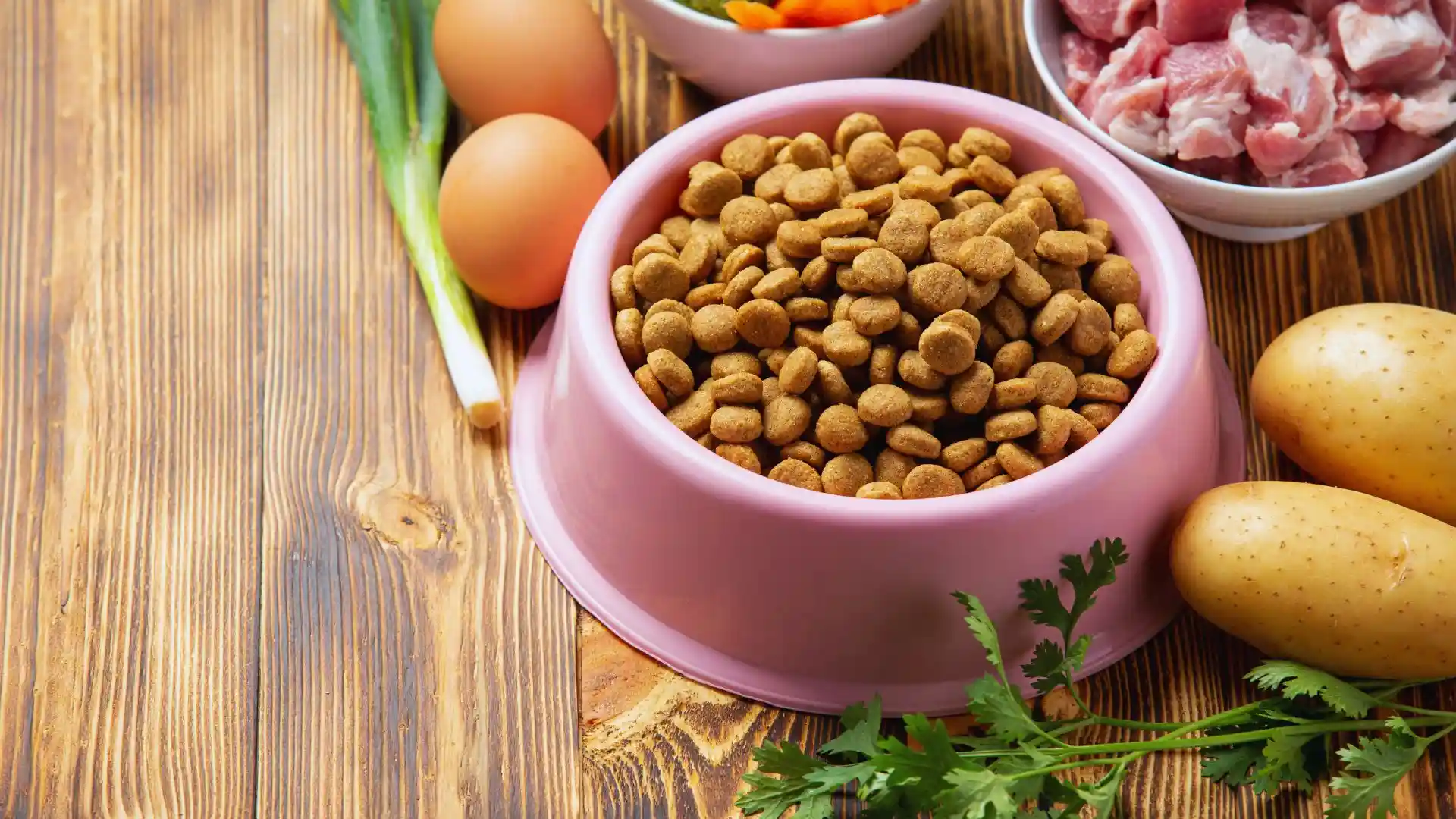
In recent years, a growing number of cat owners are moving away from traditional kibble and canned foods in favor of fresh pet cat food. Unlike dry kibble or highly processed canned meals, fresh cat food is typically refrigerated, gently cooked, and contains minimal preservatives. It focuses on whole, high-quality ingredients designed to mimic a cat’s natural diet.
This shift isn’t just a passing trend. Pet nutritionists, veterinarians, and savvy cat parents are increasingly recognizing the health benefits of feeding cats fresher, minimally processed meals. In this article, we’ll explore what fresh pet cat food is, the benefits it provides, what to look for when buying it, the top brands on the market, and practical advice for transitioning your cat safely. Whether you have a picky eater, a senior cat, or just want to offer the best nutrition possible, this guide has you covered.
Fresh pet cat food is a modern alternative to traditional kibble and canned wet food. While dry kibble is convenient and long-lasting, it is often high in carbohydrates and preservatives. Canned foods are more palatable and contain higher moisture, but may still include fillers and artificial ingredients. Fresh cat food stands apart by prioritizing minimally processed, high-quality ingredients.
What makes it “fresh”? Primarily, refrigeration, gentle cooking methods, and the absence of artificial preservatives. This approach preserves nutrients while keeping the food safe to eat. There are several forms of fresh cat food, each catering to different owner preferences and cat dietary needs:
Refrigerated rolls: Compact, portion-controlled food that is sliced for daily feeding.
Gently cooked pouches: Ready-to-serve meals, cooked at low temperatures to retain nutrients.
Frozen raw: Maintains raw ingredients for cats accustomed to raw diets.
Freeze-dried raw: Convenient, shelf-stable raw food rehydrated at mealtime.
Understanding these options is key to choosing the right fresh cat food for your feline companion. Common search terms like “refrigerated cat food” or “gently cooked cat food” often guide owners looking for healthier alternatives. It’s simply food that delivers higher-quality nutrition with minimal compromise.
Switching to fresh pet cat food offers a range of health benefits that go beyond taste. Cats are obligate carnivores, meaning their natural diet relies heavily on animal protein, not grains or fillers. Fresh food aligns closely with these needs.
Cats have a naturally low thirst drive. High-moisture fresh foods help maintain hydration, supporting kidney function and reducing urinary tract issues.
Fresh cat foods use whole meats rather than meat by-products. Proteins are more bioavailable, aiding digestion, lean muscle maintenance, and overall energy levels.
Many fresh cat foods are free from fillers, artificial colors, and questionable preservatives like BHA, which may be linked to long-term health risks.
High-quality fats and proteins improve coat shine, reduce shedding, and support skin health. Cats often appear more energetic and healthier overall.
Fresh food’s natural aroma and flavor make it highly appealing to cats who turn their noses up at kibble.
Veterinarians and pet nutritionists increasingly recommend fresh cat diets for cats with sensitive stomachs, allergies, or chronic health concerns. By providing whole ingredients and minimal processing, fresh cat food can promote long-term well-being, from energy levels to digestive health.

Choosing a high-quality fresh cat food can be overwhelming. Here are key factors to consider:
Primary Ingredient: Look for high-quality animal protein (chicken, turkey, fish) as the first ingredient. Avoid foods that list plant proteins like pea protein first.
Low Carbohydrate Content: Cats are obligate carnivores; excessive carbs can lead to obesity and diabetes.
AAFCO Compliance: Ensure the product is labeled “complete and balanced” per AAFCO standards for your cat’s life stage.
Avoid Fillers and Additives: Stay away from carrageenan, artificial preservatives, and excessive plant-based fillers.
Transparency and Sourcing: Brands that clearly state ingredient sources, perform batch testing, and have no history of recalls are preferable.
By checking these factors, you can confidently select a fresh cat food that meets nutritional standards while catering to your cat’s specific needs.
For pet owners ready to make the switch, several brands stand out. Here’s a comparison of some top options:
| Brand | Type | Price Range | Best For |
|---|---|---|---|
| Freshpet | Refrigerated | $1–$3/day | Convenience, grocery availability |
| Smalls | Gently Cooked | $2–$4/day | Human-grade, subscription convenience |
| Raised Right | Gently Cooked | $2–$5/day | Vet-formulated, high-quality |
| Darwin’s Natural Pet / Viva Raw | Frozen Raw | $3–$5/day | Raw diet enthusiasts |
| SmallBatch / Steve’s Quest | Freeze-Dried | $2–$4/day | Beginners wanting raw-style food |
Freshpet: Widely available in grocery stores, Freshpet offers an affordable introduction to fresh food. Pros include convenience and familiarity; cons include shorter shelf life and the need for refrigeration. Ideal for everyday feeding.
Smalls: A subscription-based, human-grade option, Smalls provides high-quality meats and personalized meals. Pros are premium ingredients and consistent delivery. Slightly pricier and limited to subscription-based shipping.
Raised Right: This vet-formulated brand offers award-winning, human-grade meals. Pros: high nutrient density and safety standards. Cons: limited flavor selection and higher cost. Best for owners seeking expert-backed nutrition.
Darwin’s Natural Pet / Viva Raw: For cats ready to try a raw diet, these frozen options maintain optimal nutrient integrity. Pros: raw-focused, minimally processed; cons: preparation required and cost.
SmallBatch / Steve’s Quest: These freeze-dried options are beginner-friendly raw alternatives. Pros: shelf-stable, convenient; cons: higher cost and need for rehydration. Perfect for cats transitioning from kibble to raw-style meals.

A common objection to fresh cat food is cost. Here’s the breakdown:
Fresh cat food: $1–$4+ per day, depending on brand and portion.
Dry kibble: $0.30–$1 per day on average.
While fresh food is more expensive upfront, it may reduce long-term veterinary costs associated with obesity, kidney disease, and urinary issues. Convenience trade-offs include shorter shelf life and mandatory refrigeration.
Cats with allergies or sensitivities
Cats needing weight management or higher moisture intake
In many cases, the long-term health benefits and improved quality of life can justify the higher daily expense.
Cats can be resistant to dietary changes due to neophobia or texture sensitivity. Follow these tips to transition smoothly:
Gradual Transition: Start with 25% fresh food mixed with 75% old food, gradually increasing fresh content over 7–10 days.
Enhance Appeal: Slightly warming the food or adding a topper can entice picky cats.
Observe Reactions: Watch for digestive upset such as diarrhea or vomiting; these may indicate too rapid a transition.
Consistency: Feed at regular times to help your cat adapt to the new routine.
A slow, patient approach ensures your cat accepts the fresh food while minimizing stress and digestive issues.

Proper storage is crucial for fresh cat food. Key points include:
Refrigeration: Fresh food typically lasts 7 days after opening.
Freezing: Some brands allow freezing; check labels for safe defrosting instructions.
Spoilage Signs: Watch for off smells, mold, or changes in texture.
Adhering to these practices ensures your cat enjoys meals safely while maximizing nutrition.
Fresh pet cat food represents a significant upgrade over traditional kibble and canned foods, offering better hydration, high-quality protein, and improved overall health. Cats with allergies, picky appetites, or age-related sensitivities may benefit most. While costs are higher than kibble, the potential for improved health and quality of life often outweighs the expense. Always consult your veterinarian before switching diets, and consider trying one of the top-rated brands above to see the difference fresh food can make for your feline friend.
Typically, 5–7 days in the refrigerator; follow brand guidelines for best results.
Yes, many brands offer kitten-specific formulations; consult your vet for portion sizes.
Yes, higher moisture content supports kidney and urinary health, but check with your vet.
Start gradually by mixing small amounts of fresh food, increasing over 7–10 days.
Yes, proper refrigeration is essential to prevent spoilage and maintain nutrients.


Raw dog food has gained significant traction among pet owners who seek to provide a more natural and

When it comes to keeping our furry friends happy and healthy, maintaining their ideal weight is key.

If you’re a dog parent with a pup who seems to have digestive issues, finding the right food can feel

Tuna fish has gained significant popularity in Bangladesh, both for its nutritional value and for the
Salmon fish has become increasingly popular in Bangladesh, a country known for its rich love of seafood



Leave a comment