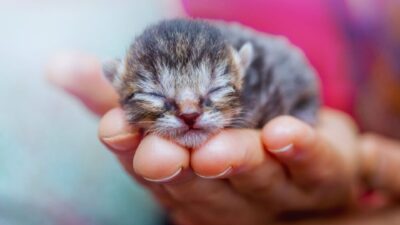

Cats are known for their independence and stoic nature, which makes it difficult to tell when they’re truly feeling well. Unlike other pets, cats tend to hide signs of discomfort or illness, making it essential for owners to recognize and monitor specific health indicators. By understanding the characteristics of a healthy cat, you can provide timely care and ensure your feline companion remains happy, active, and content. Let’s explore the comprehensive signs that point to a cat’s optimal health, from physical traits to behavioral cues.
Physical Appearance and Grooming
One of the first signs of a healthy cat is their grooming habits and physical appearance. Cats spend a large amount of their day grooming themselves since they are inherently clean creatures.
A healthy cat will have a shiny, clean coat, free from any mats or tangles. Their grooming should appear frequent and thorough, as a healthy cat typically grooms themselves to maintain cleanliness and comfort. If you notice your cat’s coat looking dull, greasy, or unkempt, it could be an indicator of underlying health issues.
Healthy grooming habits also extend to the paws and nails. A cat that takes care of their claws and grooms the pads of their paws regularly is demonstrating good self-care habits. Poor grooming, in contrast, can signal stress, arthritis, or even dental issues that make grooming painful. By observing your cat’s grooming behavior, you’ll have insight into their overall physical comfort and health.
Eyes and Vision
A cat’s eyes are another reliable indicator of their health. Healthy cats have bright, clear eyes without any excessive tearing or discharge. Their pupils should be responsive to light, adjusting appropriately when exposed to different lighting conditions. Additionally, a healthy cat’s eyes should not show signs of redness or cloudiness, as these can indicate potential health issues like infections, allergies, or even more severe eye conditions.
While a slight amount of discharge at the corner of the eye can be normal, anything excessive or unusual warrants attention. Healthy eye condition can also be observed through your cat’s visual responsiveness to their environment. If your cat is alert, curious, and reacts to movements, their vision is likely in good shape.
Ears and Hearing
A cat’s ears play a significant role in their interaction with the world, and healthy ears are crucial to their overall well-being. A healthy cat’s ears should be clean and free from any discharge or foul odors. Ears that appear dirty, red, or have a foul smell may indicate infections or ear mites. A healthy cat will also show responsive hearing, turning their ears toward sounds and reacting to noises in their environment.
You can also gently inspect your cat’s ears for signs of discomfort, such as flinching or scratching, which may suggest irritation or infection. Any signs of head-shaking or frequent scratching of the ears should be checked by a vet. Healthy ears not only contribute to a cat’s sensory experience but also signal that they’re free from issues like infections or ear mites.
Nose and Breathing
A cat’s nose can also provide insights into their health. A healthy cat usually has a moist, cool nose, although this can vary depending on the environment and recent activity. The nose should be free from crusting, discharge, or any color changes. If your cat’s nose appears overly dry, cracked, or if there’s a noticeable discharge, it may be a sign of illness.
Beyond the nose, a healthy cat should breathe smoothly and quietly, without any wheezing, coughing, or labored breathing. Rapid or heavy breathing, especially if it occurs when the cat is resting, could be a sign of respiratory distress or heart issues. Monitoring your cat’s breathing patterns regularly can help you catch early signs of potential respiratory issues.
Mouth, Teeth, and Gums
Dental health is a major factor in a cat’s overall wellness, as issues in the mouth can lead to pain and even systemic infections. Healthy gums should be pink (not red or pale), and the teeth should be clean, free from excessive tartar buildup or decay. Bad breath, while common in pets, shouldn’t be too overpowering; a foul odor can be a sign of dental problems.
Checking your cat’s mouth periodically can help catch signs of gum disease, tooth decay, or oral infections early. Healthy cats will often eat comfortably and show no signs of pain when chewing. If you notice your cat favoring one side of their mouth, drooling excessively, or pawing at their mouth, it may indicate dental discomfort that requires veterinary attention.
A cat’s skin and coat provide visible signs of health. A healthy coat is typically shiny and smooth, free from dandruff, bald patches, or signs of irritation. When you run your hand over your cat’s fur, it should feel soft and even. The skin beneath should also be healthy—firm, elastic, and not excessively dry, oily, or irritated. Cats with a well-balanced diet and adequate hydration usually have a shiny coat, as nutrients play a significant role in skin and hair health.
Healthy skin also means fewer allergic reactions or irritations. If you see your cat scratching excessively or notice patches of missing fur, it could be a sign of allergies, skin infections, or even parasites like fleas or mites. Regular grooming sessions are a good opportunity to monitor your cat’s coat and skin. This way, you can catch any issues early on and seek treatment before they worsen.
Body Condition and Weight
Maintaining a healthy body condition is essential for a cat’s longevity and quality of life. Healthy cats have a balanced body weight, with neither an overweight nor underweight appearance. When you look at your cat from above, there should be a slight indentation at the waist, and when you gently feel their sides, you should be able to feel, but not see, their ribs. This balance indicates a healthy weight for most cats.
Rapid weight gain or loss is often a red flag. Obesity, which is common in house cats, can lead to diabetes, heart issues, and joint problems. On the other hand, sudden weight loss could indicate underlying health problems such as hyperthyroidism or gastrointestinal issues. Monitoring your cat’s weight and maintaining a balanced diet with regular portions will help them maintain optimal body condition.
Muscle Tone and Posture
A healthy cat typically exhibits good muscle tone and posture. Strong, lean muscles indicate that the cat is active and gets enough exercise. Cats with healthy muscle tone tend to move with agility and grace, jumping and climbing effortlessly. You might observe that they hold their head high, stand confidently, and walk with a purposeful gait.
Poor posture, a drooping head, or a hunched back can sometimes indicate pain or discomfort. Cats are usually very athletic animals, and a change in their usual stance can signal an underlying health issue. If your cat shows difficulty in jumping or moving, they may be experiencing joint pain, arthritis, or muscle weakness. Regular play sessions and opportunities to climb help cats maintain their muscle tone and flexibility.
Digestive Health and Litter Box Habits
Healthy cats have consistent digestive health, which is often reflected in their litter box habits. Typically, a healthy cat will use the litter box regularly, producing firm, well-formed stools that aren’t overly dry or watery. Urine should be pale yellow to amber, without any strong, unusual odor. Any changes in the frequency or consistency of bowel movements or urination can point to digestive or urinary issues.
If your cat starts avoiding the litter box, it could indicate an underlying health problem such as a urinary tract infection, constipation, or gastrointestinal distress. Observing your cat’s litter box habits provides crucial insight into their digestive health. Should you notice any unusual behavior, such as straining to urinate or defecate, consult your vet to rule out possible health issues.
Energy Levels and Activity
The energy level of a cat is a strong indicator of their health. Healthy cats are generally alert, curious, and moderately active. They enjoy regular play sessions and show interest in their surroundings, often engaging with toys, other pets, or people. Active cats are more likely to explore, chase, and engage in playful behaviors that reflect their natural hunting instincts.
If your cat becomes unusually lethargic, uninterested in play, or sleeps far more than usual, it may be a sign of illness, stress, or aging. On the other hand, hyperactivity or restless behavior, especially if sudden, could signal an underlying health problem, such as hyperthyroidism. Regular play and interactive toys can keep your cat mentally and physically stimulated, helping you gauge their energy levels and overall vitality.
Appetite and Eating Habits
A healthy cat usually has a consistent appetite, enjoying meals at regular intervals. While cats may occasionally be picky, they generally eat well and finish their meals. Cats that suddenly refuse to eat or, conversely, eat excessively may be experiencing health issues. Dental problems, gastrointestinal concerns, and even psychological stress can lead to changes in eating behavior.
Keeping an eye on your cat’s appetite is crucial. Skipping meals for more than a day is often a cause for concern and warrants a visit to the vet, especially for cats, as prolonged fasting can lead to liver issues. Monitoring your cat’s eating habits helps you identify any abnormalities early and ensure they’re receiving the right balance of nutrients for their age, size, and activity level.
Hydration and Water Intake
Proper hydration is key to a cat’s overall health, as it supports vital bodily functions, including kidney health and digestion. Healthy cats drink water regularly, and their bodies stay hydrated, which helps prevent urinary tract issues and kidney problems. Cats that are well-hydrated typically have moist gums and skin with good elasticity. You can check your cat’s hydration by gently pinching the skin at the back of their neck; if it snaps back quickly, they’re likely well-hydrated.
Cats are naturally inclined to drink less water, especially if they consume wet food, which has a higher moisture content. However, if you notice your cat drinking excessively, it may indicate diabetes or kidney disease. Conversely, lack of water intake could lead to dehydration, which is dangerous, particularly for older cats. Ensuring fresh water is available at all times and considering a water fountain can help encourage healthy hydration habits.
Behavioral Indicators of Good Health
Behavioral cues are an important reflection of a cat’s physical and mental health. Healthy cats display social behaviors, such as seeking attention, responding to affection, and interacting positively with their environment. Playfulness, curiosity, and grooming are all healthy behaviors, showing that your cat is comfortable and content in their surroundings.
If you notice sudden changes in behavior—such as hiding, aggression, or clinginess—it could indicate stress, illness, or emotional discomfort. Behavioral shifts are often a sign that something isn’t right, as cats are creatures of habit. Monitoring your cat’s behavior and recognizing deviations from their usual patterns can alert you to potential health concerns.
Conclusion
Recognizing the signs of a healthy cat is essential to providing them with the best possible care. From physical indicators like a shiny coat and clear eyes to behavioral cues such as regular play and social interaction, these signs help pet owners understand their cat’s health status. Regular check-ups, a balanced diet, and attention to subtle changes can keep your cat happy, active, and thriving. By understanding these signs and seeking timely veterinary advice when needed, you can support a long and healthy life for your feline companion.