
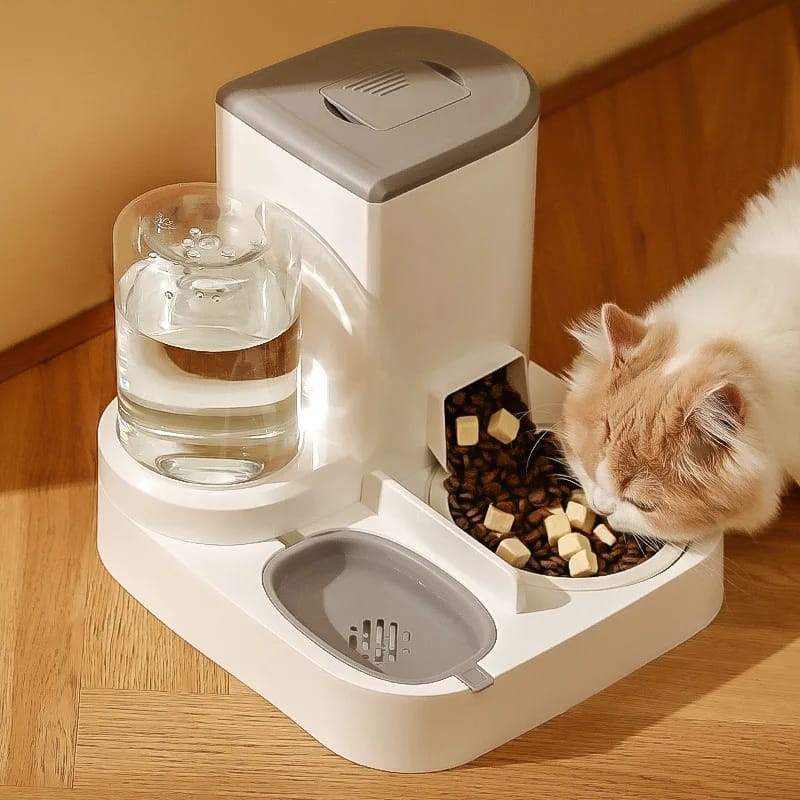
Automatic pet feeders have emerged as essential devices for pet owners, particularly for those with multiple pets. These innovative feeding solutions are designed to dispense predetermined portions of food at scheduled intervals, ensuring that pets receive the right amount of nourishment consistently. The increasing popularity of these feeders can be attributed to their convenience, efficiency, and the peace of mind they provide to busy pet owners.
By automating the feeding process, these devices alleviate the stress of meal timing and portion control, which is especially helpful for families with more than one pet. With different pets often having varying dietary requirements and feeding schedules, an automatic feeder can help simplify the process. Many advanced models are equipped with features such as programmable timers, portion control settings, and even smartphone integration, allowing pet owners to manage feeding remotely, thus providing flexibility in one’s schedule.
The key benefits of using automatic pet feeders extend beyond just convenience. They can help regulate pet diets by controlling portion sizes to prevent overeating, which is common in multi-pet households. Furthermore, the use of these feeders encourages routine and structure in pets’ eating habits, reducing anxiety associated with unpredictable feeding times. Many feeders offer options for both dry and wet food, catering to a variety of dietary preferences among pets.
In addition to their practical benefits, automatic feeders can contribute to the overall well-being of pets. For instance, regular feeding intervals can promote digestive health, while the ability to monitor food intake can help detect potential health issues early on. With the right automatic pet feeder, pet owners can ensure that all their pets receive proper nutrition, making mealtimes stress-free and efficient for both the caregivers and the pets.
Benefits of Using Automatic Pet Feeders for Multiple Pets
Automatic pet feeders provide a range of advantages that cater specifically to households with multiple pets. One of the primary benefits is the convenience these feeders offer. Pet owners are often occupied with busy schedules, making it challenging to feed each pet at specific intervals. An automatic pet feeder can dispense food at programmed times, ensuring that every pet receives its meals on schedule. This not only saves time but also alleviates the stress associated with juggling feeding times for various animals.
Another significant advantage is portion control. With an automatic pet feeder, owners can set the exact quantity of food dispensed during each feeding session. This feature is especially vital in multi-pet households where different animals may have unique dietary requirements. The ability to customize portion sizes helps prevent overfeeding or underfeeding, promoting better health and wellbeing among pets. As a result, the risk of obesity or malnutrition can be significantly reduced, ultimately contributing to a longer and healthier life for the animals.
Moreover, automatic pet feeders can help minimize competition among pets during mealtime. In multi-pet environments, feeding time can often become a chaotic affair, with pets vying for food and potentially displaying aggressive behaviors. An automatic feeder allows each pet to eat in a calm and controlled manner, reducing stress and conflict. By establishing a more relaxed mealtime atmosphere, pets can enjoy their food without the anxiety of competition, leading to a more harmonious household.
The encouraging impact of scheduled feeding on pet health cannot be overlooked. Regular feeding times help maintain a consistent digestive schedule, which contributes to overall wellbeing. Automatic pet feeders thus serve not only as a practical solution for managing multiple pets but also as a proactive approach to nurturing their health and happiness.
Key Features to Consider in Automatic Pet Feeders
When selecting an automatic pet feeder for multiple pets, pet owners must consider several crucial features that can significantly impact the feeding experience for their animals. One of the primary factors is programmable feeding schedules. The ability to customize meal times is essential for maintaining a consistent routine, which is beneficial for the health and well-being of pets. Look for feeders that offer flexible scheduling options, allowing you to tailor feeding times to fit your pets’ specific needs, whether they require multiple meals throughout the day or larger portions less frequently.
Another important feature is portion control. Pet feeders that allow you to adjust the portion sizes enable you to manage your pets’ diets effectively, particularly if you are monitoring their weight. Many automatic feeders provide precise measurements to ensure that each pet receives the appropriate amount of food, preventing overeating and promoting healthy eating habits.
Compatibility with various types of food, including both wet and dry options, is also a significant consideration. Some pets may prefer specific food types or require a special diet, so selecting a feeder that accommodates both wet and dry food can be extremely beneficial. This versatility ensures that all pets in a household are catered for, regardless of their individual preferences or dietary requirements.
Lastly, ease of cleaning should not be overlooked. An automatic feeder that can be easily disassembled and cleaned makes maintaining hygiene convenient. Automatic feeders with removable parts are typically easier to maintain, preventing the buildup of bacteria and ensuring that your pets receive their meals from a clean environment. Choosing a feeder that combines these key features will ultimately enhance the feeding experience for both pets and their owners.
Types of Automatic Pet Feeders Available
Automatic pet feeders come in various types, designed to accommodate the diverse needs of multiple pets. Understanding these different categories can help pet owners choose the right feeder for their furry companions. The primary types include gravity feeders, programmable feeders, and connected smart feeders.
Gravity feeders utilize the force of gravity to dispense food automatically as pets eat. These feeders consist of a large reservoir that refills the bowl as it empties, ensuring a steady supply of food. The primary advantage of gravity feeders is their simplicity and low maintenance. However, they may not be suitable for pets that tend to overeat, as they lack portion control.
Programmable feeders represent a more advanced option, allowing pet owners to set specific feeding times and portion sizes. These feeders come with timers and adjustable mechanisms to deliver precise amounts of food. This feature is particularly beneficial for managing the diets of multiple pets, ensuring each pet receives an appropriate portion. The downside could be the higher price point and potential for mechanical failures over time.
Connected smart feeders have emerged as a modern solution in pet feeding, integrating technology to offer advanced features. These feeders can be controlled via smartphones, enabling pet owners to manage feeding schedules remotely and monitor their pets’ eating habits. Moreover, many smart feeders can even dispense treats, making them versatile for various feeding needs. However, they often require Wi-Fi connectivity and may involve a steeper learning curve for setup compared to simpler feeders.
In conclusion, when selecting an automatic pet feeder for multiple pets, it’s crucial to consider the type that best aligns with your pets’ eating behaviors and your lifestyle. Each option carries unique benefits and drawbacks, making it essential to weigh these factors carefully.
How to Choose the Right Feeder for Your Pet Family
Selecting the appropriate automatic pet feeder for a household with multiple pets can be a challenging endeavor, yet it is crucial for ensuring proper nutrition and convenience. The first step in this process involves analyzing the number of pets and their individual dietary requirements. Different pets may have different food types, portion sizes, and feeding schedules, necessitating a feeder that can accommodate these variations.
Next, understanding your pets’ feeding habits is essential. Some pets may prefer to graze throughout the day, while others thrive on scheduled meals. Certain automatic feeders offer features such as multiple feeding options, portion control, and programmable settings, which can cater to these distinct preferences. When selecting a feeder, consider one that allows you to customize feeding times and quantities, ensuring that each pet receives an adequate amount of food tailored to their unique needs.
Another fundamental aspect to consider is your budget. Automatic feeders are available at a range of price points, from basic models to high-tech devices equipped with integrated cameras and smartphone applications. It is vital to evaluate the features that are most important to your household. For example, if you have pets with specific dietary restrictions or require medication administration, investing in a more advanced feeder may be worthwhile.
In addition, material and design should also be taken into account. Look for feeders made from durable materials that are easy to clean and maintain, as hygiene is particularly important in households with multiple pets. Anti-jam mechanisms and spill-proof designs can also enhance usability and prevent messes.
Ultimately, choosing the right automatic pet feeder for your pet family involves a careful assessment of your household’s specific needs, the characteristics of each pet, and the available options. By addressing these factors methodically, you can make an informed decision that promotes the well-being of your furry companions while simplifying your feeding routine.
Setting Up Your Automatic Pet Feeder
Setting up an automatic pet feeder for a multi-pet household requires careful consideration to ensure it meets the needs of each pet. The process begins with selecting an appropriate location for the feeder. Ideally, the feeder should be placed in a quiet area that is easily accessible to all pets but not subjected to frequent disturbances. Choose a spot that minimizes interference from other pets while still allowing everyone to eat comfortably. This is crucial in preventing conflicts and ensuring a smooth feeding experience.
After determining the optimal placement, the next step involves programming the device. Most automatic pet feeders come with digital interfaces that allow you to set feeding times and portion sizes. It is advisable to read the manufacturer’s instructions thoroughly to understand the specific features of your feeder, including how to adjust the settings for multiple pets. When inputting feeding schedules, consider each pet’s dietary needs, activity level, and feeding habits, ensuring that all pets are catered for appropriately.
Transitioning your pets to using the feeder can be a gradual process. Start by introducing the feeder without activating it, allowing your pets to explore it. Once they are comfortable, begin by manually filling the feeder and letting them eat. Gradually switch to the automatic settings, making sure each pet has the opportunity to eat without feeling rushed or intimidated by others. Monitoring interactions during the initial transition phase is essential to ensure that all animals understand how to access their food calmly.
Troubleshooting common issues is also a crucial part of effective setup. Be alert for problems such as jamming, which can occur if the feeder’s mechanism is blocked. Regularly clean and maintain the feeder to prevent malfunctions. Additionally, if one pet seems to dominate feeding time, adjusting the feeder’s placement or timing may be necessary to ensure all pets receive their fair share of food. By following these guidelines, a harmonious feeding environment can be established, benefiting both pets and their owners.
Top Brands and Models of Automatic Pet Feeders
When considering automatic pet feeders for households with multiple pets, several leading brands and models stand out for their features, user satisfaction, and performance. One prominent name is **PetSafe**. The PetSafe Healthy Pet Simply Feed is designed with versatility in mind, accommodating different feeding schedules and portion sizes, which can be crucial for homes with both dogs and cats. Its programmable timer allows owners to set up to 12 meals in advance, ensuring that each pet receives their food timely. Customer reviews highlight its durability and the ease of cleaning, which are essential for maintaining hygiene in a multi-pet environment.
Another highly regarded option is the **WOpet Smart Feeder**. This model incorporates smart technology, enabling meal customization via a mobile app. This feature is particularly useful for pet owners with varying dietary needs among their pets. The WOpet feeder can dispense up to four meals per day, with adjustable serving sizes, providing flexibility for owners to manage their pets’ diets diligently. Users appreciate the convenience of monitoring feeding schedules remotely, and the strong customer support from the brand enhances the overall buying experience.
Lastly, the **Feed and Go Smart Feeder** deserves attention for its unique integration of camera technology, allowing pet owners to view their pets while they eat. This model operates on a flexible schedule, permitting up to six meals a day. Its appeal lies in its compatibility with a wide range of pets, making it an ideal choice for households with multiple animals. Reviews often praise its user-friendly interface and reliable performance, making it a standout in the competitive automatic feeder marketplace.
Each of these models showcases different advantages tailored to multi-pet households, enabling pet owners to choose the best fit for their specific needs.
Customer Reviews and Experiences
Customer testimonials regarding automatic pet feeders for multiple pets reveal significant insights into their performance and usability. Many users express appreciation for the convenience these devices bring into their daily routine, particularly when managing feeding schedules for multiple pets. For instance, one pet owner noted that the ability to customize feeding portions helped reduce food competition among their dogs, resulting in a more harmonious mealtime environment. This feature is especially advantageous when different pets require varied dietary needs, making automatic pet feeders an excellent solution for multi-pet households.
Ease of use is another frequently mentioned benefit. Users commend feeders equipped with user-friendly interfaces that simplify setup and programming. One review highlighted the effectiveness of a particular model, noting that even elderly pet owners could operate it without complications. Additionally, many devices offer app connectivity, allowing owners to monitor and control feeding remotely, which adds a layer of convenience that many pet owners value. A satisfied customer shared how this feature enabled them to adjust feeding schedules on the fly, ensuring their pets were fed on time, even when they were away from home.
However, it is important to note some experiences were less favorable. Some customers reported difficulties with specific feeders’ capacity, mentioning that models with smaller food compartments required frequent refilling, which could be an inconvenience for busy pet owners. Additionally, a few reviews mentioned issues with the dispenser mechanisms, indicating that while some automatic feeders work flawlessly, others may experience jammed parts or inaccurate portioning over time. Despite these isolated challenges, the overall sentiment surrounding automatic pet feeders remains positive, particularly regarding their ability to simplify feeding routines in multi-pet households.
Conclusion and Final Thoughts
Automatic pet feeders offer an innovative and efficient solution for managing the feeding routine of multiple pets. Throughout this guide, we have explored various aspects of these devices, such as their functionalities, benefits, and features. By automating feeding schedules, pet owners can ensure that each animal receives the right portions at the appropriate times, promoting healthier eating habits. This not only alleviates the stress associated with manual feeding but also fosters a more harmonious environment among pets by minimizing competitive behavior over food.
We discussed how different types of automatic pet feeders cater to diverse needs in multi-pet households. For instance, some feeders come with customizable meal portions and schedules, allowing pet owners to tailor feeding times based on individual dietary requirements. Additionally, many models are equipped with technology that enables remote control through smartphones, offering unparalleled convenience for modern pet owners. This advanced functionality can also facilitate better collaboration between family members, ensuring that everyone can contribute to the feeding process, even when they are not at home.
The transition to automatic feeding can also have a long-lasting positive impact on pet owners’ daily routines. With busy lifestyles becoming increasingly common, investing in an automatic pet feeder can save valuable time, mitigate the worry of missed feeding times, and reduce the behavioral issues that often arise in multiple-pet settings. Ultimately, we encourage readers to consider how automatic pet feeders can enhance their pets’ feeding experiences and contribute to their overall well-being. By investing in a reliable automatic feeder, pet owners not only simplify their daily responsibilities but also ensure a healthier, less stressful feeding environment for their beloved companions.