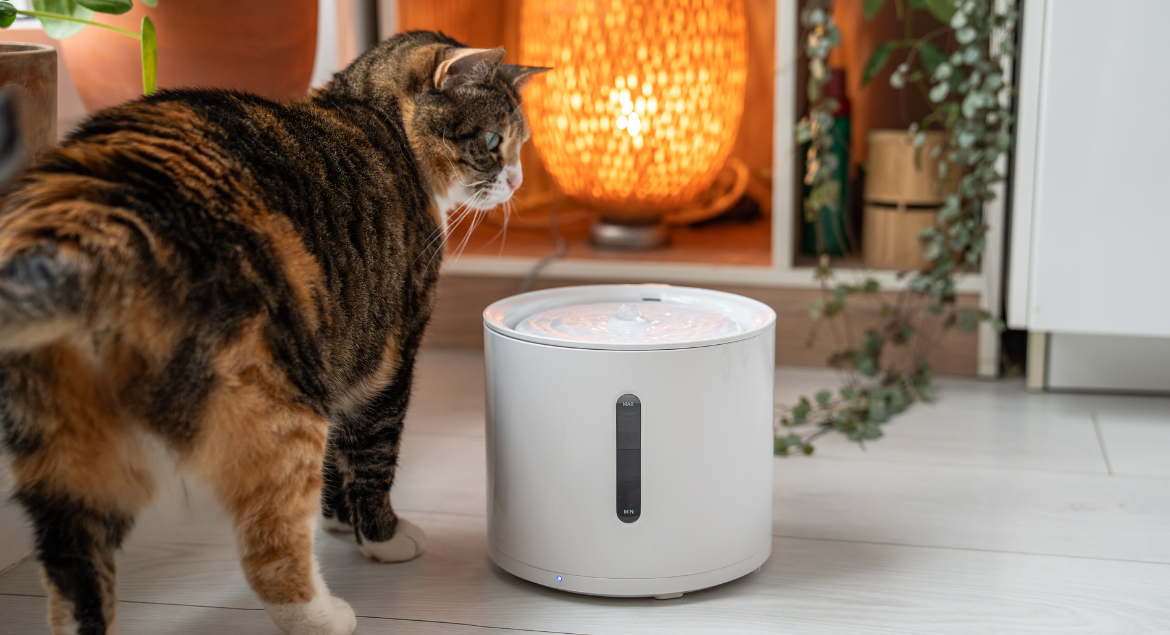
Automatic water fountains for cats serve as innovative solutions designed to enhance the hydration of our feline companions. These devices continuously circulate and filter water, making it more appealing for cats to drink. One of the fundamental reasons for adopting an automatic water fountain is to counteract common issues associated with dehydration in pets. Many cats prefer running water due to their instinctual behavior, which can be rooted in their wild ancestry where flowing water is often cleaner and fresher than stagnant sources.
By providing a steady stream of water, these fountains encourage regular drinking, which is crucial for a cat’s overall health. Adequate hydration is essential for proper kidney function, urinary tract health, and digestion. Cats are often perceived as being less inclined to drink enough water from conventional bowls, leading to chronic dehydration and a host of health problems. Automatic water fountains help mitigate these risks by addressing the natural instincts of cats and providing them with an accessible and enticing source of hydration.
Another noteworthy benefit of automatic water fountains is their ability to maintain a clean water supply. Many models are equipped with multi-stage filtration systems that remove impurities and ensure that the water is both safe and fresh. This filtration directly impacts the quality of hydration, as cats are less inclined to drink if their water appears dirty or stale. Furthermore, the design of these devices often includes features like adjustable flow rates and attractively designed spouts, thus catering to the preferences of diverse cats.
In summary, automatic water fountains play a crucial role in promoting feline hydration and enhancing the overall quality of life for cats. By understanding their benefits, cat owners can make informed choices that contribute positively to their pet’s health and well-being.
Understanding the Mechanics of Automatic Water Fountains
Automatic water fountains for cats employ sophisticated mechanisms designed to provide a continuous supply of fresh drinking water, ensuring that your feline friend remains hydrated. At the core of these devices is an efficient filtration system. This system typically consists of a multi-stage filter that removes impurities such as hair, food particles, and debris from the water. The filtration process is paramount as it helps in maintaining the hygiene of the water, keeping it clean and appealing to your pet.
In addition to filtration, the circulation of water plays a critical role in how these fountains operate. Most automatic water fountains utilize a submersible pump to create a steady flow of water. This flow mimics natural water sources, encouraging cats to drink more frequently. Cats are instinctively attracted to moving water, which is a behavior rooted in their ancestral instincts to avoid stagnant water that may harbor bacteria. The constant movement ensures that the water remains oxygenated and fresh, preventing algae growth and foul odors.
Furthermore, many modern fountains are equipped with additional features to enhance usability and maintenance. Some models incorporate adjustable water flow settings allowing owners to customize the fountain according to their pet’s preferences. Others include indicators for filter replacement, ensuring that users can keep their fountain functioning optimally. The technology employed in these automatic water fountains not only supports your cat’s hydration needs but also simplifies the overall care process for pet owners. By combining filtration, circulation, and user-friendly features, automatic water fountains provide a reliable solution to keep your furry friends well-hydrated and healthy.
Benefits of Using Automatic Water Fountains
Automatic water fountains offer several advantages that significantly enhance the drinking experience for cats while promoting their health and hydration. One of the primary benefits is the encouragement of hydration. Cats, being predisposed to lower water consumption, often rely on their food for moisture. However, an automatic water fountain provides a constant flow of fresh, filtered water, enticing cats to drink more frequently. This is especially beneficial for those with a tendency towards urinary tract issues, as increased water intake helps dilute urine and reduce the risk of crystals and other complications.
Moreover, automatic water fountains contribute to preventing urinary problems by ensuring that cats are adequately hydrated. When cats do not drink enough water, they may face serious health concerns, such as urinary blockages or kidney disease. By integrating a fountain into their daily routine, pet owners can help mitigate these risks, ensuring their feline companions remain healthy and happy.
The design of these fountains also enhances the overall drinking experience. Many cats prefer running water over still water, as it mimics natural sources found in the wild. This instinctive preference can make them more inclined to drink from a fountain, thus supporting their hydration needs. Additionally, automatic fountains often include features such as multiple streams, adjustable water flow, and filtration systems, which help maintain water quality by reducing bacteria and contaminants. Regular filtration prevents the build-up of impurities, ensuring that cats have access to clean, healthy water at all times.
Overall, the benefits of using automatic water fountains for cats extend far beyond mere convenience. They promote better hydration, reduce the likelihood of urinary issues, and create an inviting environment for cats to enjoy drinking. By investing in an automatic water fountain, pet owners can significantly enhance their cats’ health and well-being.
Factors to Consider When Choosing a Water Fountain
When selecting an automatic water fountain for your cat, several key factors must be taken into consideration to ensure you provide the best hydration solution for your furry friend. This choice is crucial, as it can influence your cat’s drinking habits and overall health.
Firstly, the size of the fountain should match your living space and accommodate the needs of your cat. For example, larger breeds may require water fountains with a greater capacity to ensure they have sufficient hydration. Compact designs may be suitable for smaller cats or homes with limited space. Understanding your pet’s drinking behaviors can help guide your decision on the appropriate size.
Secondly, the material of the water fountain is equally important. Common materials include plastic, stainless steel, and ceramic. Stainless steel is often preferred for its durability and ease of cleaning, while ceramic options offer an aesthetic appeal and may reduce bacterial growth. Always choose materials that are safe and non-toxic for your pet to avoid any potential health risks.
Another essential aspect to consider is the noise level of the fountain. Some cats may be more sensitive to sound, so selecting a fountain designed for quiet operation can help minimize any disturbances. Look for user reviews or product specifications that indicate noise levels to ensure a peaceful environment for your pet.
Furthermore, ease of cleaning is a critical factor. A water fountain that requires minimal maintenance will save you time and effort. Ensure that the fountain you choose has removable components, which facilitate thorough cleaning. Regular maintenance is vital for keeping the water fresh and appealing to your cat.
Lastly, consider additional features, such as filtration systems and flow settings. Advanced filtration can help eliminate impurities and enhance the water quality, while adjustable flow settings allow you to customize the fountain to your cat’s preferences, encouraging them to drink more frequently. By carefully assessing these factors, you can make an informed choice that ensures your cat remains hydrated and happy.
Popular Types of Automatic Water Fountains
When considering automatic water fountains for cats, it is essential to understand the different materials and designs available on the market. This section focuses on the three most popular types: ceramic, stainless steel, and plastic fountains. Each type has its unique set of advantages and disadvantages, which can cater to different feline preferences.
Ceramic fountains are known for their aesthetic appeal and durability. Many cat owners appreciate the elegant designs that blend seamlessly with home décor. Additionally, ceramic is non-porous, which makes it easier to clean and less likely to harbor bacteria. However, they can be heavier than other materials, and thus less convenient to move. Moreover, if dropped, ceramic fountains may break, posing a potential risk to both the pet and the household. Some cats prefer the cooler surface of ceramic, making it an appealing option for discerning felines.
Stainless steel fountains have gained popularity due to their robust construction and hygienic qualities. The smooth surface of stainless steel is resistant to scratches and stains, making it less likely for bacteria to thrive. Furthermore, many models feature powerful filters that ensure the water remains fresh and clean. On the downside, these fountains can be noisier compared to their plastic and ceramic counterparts, which may deter some sensitive cats. Nonetheless, they are an excellent choice for households with multiple pets, as they are easy to sanitize and maintain.
Plastic fountains are often the most affordable option and are available in various designs and sizes. They tend to be lightweight, making them easy to reposition around the home. However, plastic can scratch more easily and might not be as durable as other materials. Additionally, some plastic fountains may retain odors if not cleaned regularly. Despite these potential drawbacks, many cats appreciate the gentle flow of water that many plastic designs offer, providing an enjoyable drinking experience.
Maintenance Tips for Automatic Water Fountains
Proper maintenance of automatic water fountains is essential to ensure that they function effectively and provide clean, fresh water for your beloved feline companion. To achieve this, a regular cleaning schedule should be established. It is generally recommended to clean the fountain at least once a week to prevent the buildup of algae and bacteria. However, if your cat tends to drink frequently or if the water appears murky, more frequent cleaning may be necessary. Make sure to use unscented soap and warm water during the cleaning process to avoid leaving any harmful residues.
In addition to regular cleaning, changing filters is a critical component of maintenance. Most automatic water fountains come equipped with filters that remove impurities and improve the overall quality of the water. Depending on the type of filter used, it is advisable to replace it every 2 to 4 weeks. Use filters that are specifically designed for your fountain model to ensure optimal performance and water quality.
Another important aspect of maintaining an automatic water fountain is checking for mechanical issues. Regularly inspect the pump and motor to ensure they are functioning correctly. Listen for unusual noises that may indicate a problem, and address any mechanical issues immediately. Additionally, ensure that all parts are securely attached and free of debris. Keeping an eye on the power supply and cords is also vital to prevent electrical hazards.
Lastly, observe your cat’s drinking habits. Any changes in behavior, such as reluctance to use the fountain, may signal a need for maintenance. By following these maintenance tips, you can ensure that your automatic water fountain remains a reliable source of hydration for your cat, promoting their health and well-being.
How to Introduce Your Cat to the Fountain
Introducing a new automatic water fountain to your feline friend can be an exciting yet challenging experience. It is vital to approach this process with patience and understanding to ensure your cat feels comfortable and curious about their new hydration source. Start by placing the fountain in a familiar location that your cat frequently visits. This familiarity will help reduce any anxiety associated with a new object in their environment.
To spark your cat’s interest, ensure that the fountain is clean and filled with fresh water. Cats are typically attracted to running water, so when they observe the gentle flow from the fountain, they are likely to become curious. You can also entice your cat by using treats or toys near the fountain, encouraging them to explore the area. This positive association will help them view the fountain as a beneficial addition rather than a foreign object.
If your cat remains hesitant or shows signs of fear, do not rush the process. Instead, give them time to acclimate and allow them to approach the fountain at their own pace. Additionally, consider using a smaller, quieter fountain initially, as the sound of flowing water may be intimidating for some cats. Once they have warmed up to the concept of the fountain, gradually introduce them to more complex designs.
Monitoring your cat’s behavior during this transition period is essential. If they engage positively with the fountain, reward them with verbal praise or treats. However, if your cat continues to display reluctance, it may be necessary to place their traditional water bowl alongside the fountain temporarily. This allows them to observe their new water source while still having access to a familiar method of hydration.
Through a gradual and rewarding approach, you can help your cat feel comfortable with their automatic water fountain, encouraging their curiosity and promoting regular hydration in the process.
Common Issues and Troubleshooting
Automatic water fountains for cats, while typically convenient and beneficial for feline hydration, may occasionally present some challenges. Users should be aware of common issues that can arise, including clogs, excessive noise, and mechanical failures. Understanding these problems ensures that your pet continues to enjoy fresh water without interruption.
One frequent issue is clogging in the water pump or filter. Debris can accumulate over time, especially if the fountain is not cleaned regularly. Pet owners should establish a routine for cleaning both the reservoir and the pump to ensure smooth operation. If a clog is suspected, disassembling the pump and using a soft brush or cloth to remove any buildup can effectively restore functionality.
Noise from the fountain can be another concern. If the water fountain suddenly becomes louder than usual, it often indicates that the water level is low, or the pump is struggling due to a blockage. Ensuring that the fountain is adequately filled with water and maintaining a regular cleaning schedule helps mitigate this issue. Additionally, checking for proper assembly after cleaning can prevent mechanical vibrations that contribute to noise.
Mechanical failures could stem from electrical issues, such as a malfunctioning adapter. If the fountain fails to turn on despite being plugged in and properly set up, checking the connections and testing with a different outlet can help identify the problem. In cases where basic troubleshooting does not resolve the issue, consulting the manufacturer’s customer support or seeking a professional repair service might be necessary.
In summary, while automatic water fountains for cats are beneficial for promoting hydration, being proactive about common issues and implementing effective troubleshooting techniques can significantly enhance their longevity and efficiency. Regular maintenance and prompt attention to minor problems can lead to a smoother experience for both you and your pet.
Conclusion: Keeping Your Cat Happy and Hydrated
Ensuring the hydration of our feline companions is paramount for their overall health and well-being. Throughout this guide, we have explored the vital role that water plays in a cat’s life, emphasizing how proper hydration supports digestion, prevents urinary tract infections, and helps maintain kidney function. Cats, often notorious for their reluctance to drink sufficient water, can greatly benefit from alternative hydration methods.
Automatic water fountains emerge as an effective solution in this context. These devices not only provide a continuous supply of fresh, flowing water but also stimulate a cat’s natural instinct to drink. The movement and aeration of the water help to keep it clean, attractive, and palatable. Cats are more likely to drink from a fountain compared to a traditional bowl, which can ultimately lead to improved hydration levels and better health outcomes.
Moreover, the design and features of automatic water fountains cater to the diverse needs of cats, offering options that range from simple to more complex systems. Selecting a fountain that suits your cat’s preferences and habits can significantly enhance their drinking experience. Many models also include filters that purify the water, ensuring it remains free from contaminants. Additionally, with the various styles available, owners can choose fountains that complement their home decor while providing a practical solution for their pets.
In conclusion, investing in an automatic water fountain can be a simple yet impactful step toward keeping your cat happy and well-hydrated. By making water readily available and appealing, you support your furry friend’s health and encourage them to drink more, which is essential for their vitality and longevity. A well-hydrated cat is a happy cat, and with the right tools, ensuring this can be straightforward and rewarding for both pet and owner.