The ear is a crucial component of a dog’s overall anatomy, serving not only to hear but also to maintain balance. A dog’s ear is divided into three distinct parts: the outer ear (pinna), the middle ear, and the inner ear. Each section plays a significant role in the dog’s auditory system. The outer ear serves as a funnel that directs sound waves into the ear canal, which is where most issues arise. This canal is relatively long and can trap moisture, wax, and debris, making it a potential site for infections.
Common ear problems in dogs include ear infections, ear mites, and allergies. Ear infections are particularly prevalent in breeds with floppy ears, such as Cocker Spaniels and Basset Hounds, due to their closed ear canals which can hinder air circulation. Symptoms of ear infections may include excessive scratching, shaking of the head, or an unpleasant smell emanating from the ear. These symptoms often signal the need for a veterinary evaluation and possibly an ear cleaning routine to prevent further complications.
Maintaining ear health is essential, as a buildup of wax, dirt, and moisture can lead to bacteria and yeast growth. This buildup not only causes discomfort but can also escalate into severe infections requiring medical intervention. Regular cleaning can minimize these risks. It is crucial for pet owners to understand how to identify signs of ear problems early. A proactive approach includes routine inspections and cleaning, which can play a vital role in preventing ear-related issues. Cleaning solutions designed for dog ear health should be used appropriately to ensure effectiveness while avoiding irritation.
Signs Your Dog Needs Ear Cleaning
Maintaining your dog’s ear health is crucial for their overall well-being, and recognizing the signs that indicate they need ear cleaning is an essential part of this process. Common symptoms to watch for include excessive scratching at the ears, which may suggest irritation or discomfort. If you observe your dog frequently pawing or rubbing their ears against furniture or the ground, it is often a clear indication that their ears require attention.
Another significant sign that your dog may need ear cleaning is head shaking. Dogs may shake their heads vigorously as a response to discomfort caused by debris or wax buildup in the ear canal. If this behavior becomes frequent, it serves as a warning signal that an ear cleaning procedure may be necessary to alleviate any discomfort they are experiencing.
Unpleasant odors emanating from your dog’s ears can also indicate the need for cleaning. A foul smell can point to excessive wax buildup or even an infection, emphasizing the importance of routine ear maintenance. Regular inspections of your dog’s ears can help detect any unwanted scents early, allowing for prompt attention and care.
Finally, visible dirt and wax buildup within the ear canal is one of the most apparent signs that ear cleaning is needed. The ear canal should be relatively clear and free of debris; however, an accumulation of wax or dirt can impede your dog’s ear health. If you notice any discoloration, swelling, or unusual discharge, it is advisable to consult a veterinarian for further evaluation and appropriate cleaning methods.
Recognizing these symptoms not only promotes better ear hygiene for your dog but also fosters their overall health and comfort. Regular attention to your dog’s ears can lead to better quality of life and prevent more serious health issues in the future.
Types of Dog Ear Cleaning Solutions
Proper ear hygiene is essential for your dog’s overall health, and numerous ear cleaning solutions are available to assist pet owners in maintaining their furry friends’ ear cleanliness. These solutions can broadly be categorized into commercial ear cleaners, natural remedies, and homemade solutions, each offering unique ingredients and benefits.
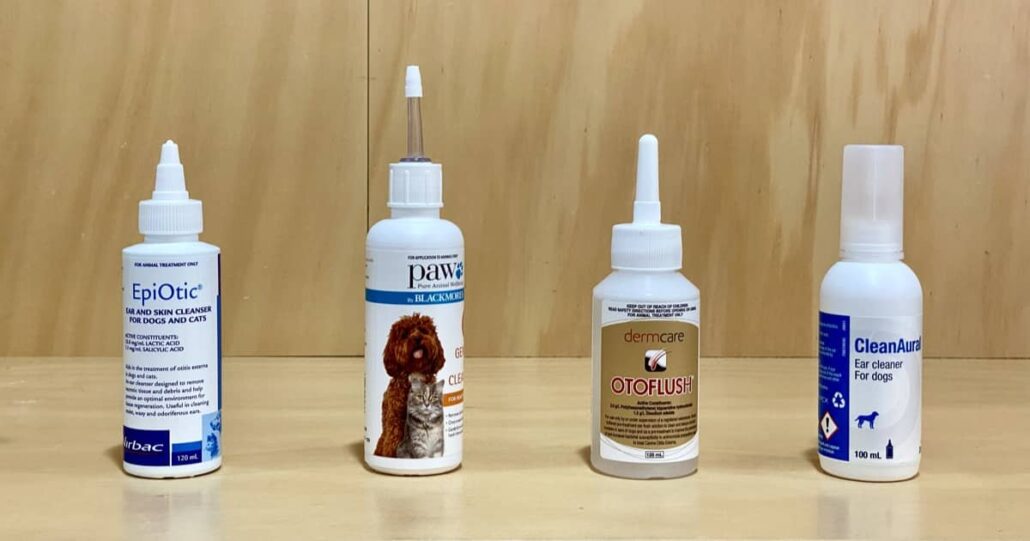
Commercial ear cleaners are specifically formulated products available at pet stores and veterinarian clinics. These solutions often contain a combination of antiseptics, surfactants, and drying agents to effectively remove wax buildup, debris, and moisture from the ear canal. Completely safe when used as directed, they are designed to address specific ear issues, such as infections or odor. Some popular ingredients found in these products include chlorhexidine, salicylic acid, and various botanical extracts, each providing unique benefits. However, it is crucial to select a product that is suitable for your dog’s breed and ear type.
Natural remedies have gained popularity among pet owners who prefer a more holistic approach to ear cleaning. These may include ingredients such as apple cider vinegar, witch hazel, or coconut oil. For instance, a solution made from equal parts of apple cider vinegar and water can help balance the pH levels in the ear, potentially preventing bacterial growth. Similarly, witch hazel possesses astringent properties that can aid in drying excess moisture. While these natural alternatives can be effective, it is essential to monitor your dog for any adverse reactions and consult with a veterinary professional if needed.
Homemade solutions represent another option that many dog owners may find appealing. Simple mixtures of warm water and mild soap or diluted essential oils can provide a safe, economical alternative for routine cleaning. However, it is advisable to exercise caution with essential oils, as some may be harmful to pets. Overall, regardless of the type of ear cleaning solution chosen, consistency is key to promoting healthy ears for your dog.
Choosing the Right Ear Cleaning Solution
Selecting the appropriate ear cleaning solution for your dog is vital to ensure effective care and prevent potential complications. Various factors play a significant role in determining the best option for your pet, including their specific ear condition, skin sensitivities, and breed characteristics. For instance, some dogs may have wax buildup issues, while others might be prone to infections or have allergies that make traditional cleaners unsuitable.
It is essential to evaluate the active ingredients within cleaning solutions. Some products contain alcohol or other irritants that may cause discomfort or exacerbate existing conditions. Conversely, gentle, hypoallergenic formulas are available for sensitive skin, making them a suitable choice for dogs with specific sensitivities or those prone to allergic reactions. When selecting a product, consider your dog’s unique needs to ensure it promotes ear health without causing irritation.
Breed can also influence your choice of ear cleaning solution. Breeds with long, floppy ears, such as Basset Hounds or Cocker Spaniels, are more susceptible to ear infections due to reduced airflow in the ear canal. In such cases, an ear cleaner with antifungal and antibacterial properties may be beneficial. On the other hand, dogs with erect ears, such as German Shepherds or Bulldogs, might have different requirements, often necessitating less frequent cleaning.
Before settling on a specific ear cleaning solution, consulting with a veterinarian is highly recommended. A veterinary professional can assess your dog’s ear health and provide tailored recommendations suited to their condition and lifestyle. Moreover, they can offer guidance on the frequency of cleaning and additional preventive measures to ensure your dog’s ears remain healthy. Prioritizing your canine companion’s health through informed decisions is crucial for their overall well-being.
Step-By-Step Guide to Cleaning Your Dog’s Ears
Cleaning your dog’s ears is a vital component of their overall care routine, helping to prevent infections and maintain ear health. To effectively clean your dog’s ears at home, you’ll need a few essential tools and to follow a structured approach.
First, gather your supplies. You will need cotton balls or gauze, a dog-specific ear cleaner (avoid regular alcohol or hydrogen peroxide), a towel, and treats for positive reinforcement. Ensure you are in a calm, distraction-free environment, as this will help your dog feel more relaxed during the process.
Next, prepare your dog. If your pet is anxious about ear cleaning, consider placing them on a non-slippery surface and gently petting them to build trust. It may help if someone can hold the dog gently, preventing sudden movements. Make sure to reward your dog with treats and praise throughout the process to create a positive association.
Once your dog is comfortable, inspect their ears. Look for any signs of redness, swelling, or unusual odor, which may indicate an infection and require a vet’s attention. If everything appears normal, proceed to apply a few drops of the ear cleaner into the ear canal as directed on the product label. Massage the base of the ear for about twenty seconds; this will help to loosen debris and wax.
This natural motion will help dislodge any remaining debris. Next, use a cotton ball or gauze to gently wipe the visible parts of the ear. Be cautious to avoid pushing any wax deeper into the ear canal. If there’s excessive wax or debris, repeat the cleaning process with fresh cotton balls until the ear appears clean.
Finally, offer your dog a treat and plenty of praise for their cooperation. Regular ear cleaning, about once a month or as advised by your veterinarian, will keep your dog’s ears healthy and comfortable. Remember, always consult a professional for excessive ear issues or persistent concerns.
Common Mistakes to Avoid When Cleaning Dog Ears
Cleaning a dog’s ears is part of responsible pet ownership, yet many dog owners unknowingly make mistakes that can lead to discomfort or even health issues for their pets. One common mistake is using inappropriate materials during the cleaning process. For instance, many owners resort to cotton swabs, which can push dirt further down into the ear canal, potentially causing blockages or injuries. Instead, it is advisable to use specialized ear cleaning pads or cloths that are designed for this purpose. These products are typically gentle enough for a dog’s sensitive skin and help to effectively remove debris without causing harm.
Another error frequently made by pet owners is the improper frequency of cleaning. While some dogs may need ear cleaning on a regular basis, others may only require it occasionally. Factors such as breed, activity level, and ear type contribute to how often the ears should be cleaned. For example, breeds with floppy ears tend to accumulate more moisture and wax, necessitating more frequent cleaning. Conversely, dogs with upright ears may need less frequent attention. It is essential to consult with a veterinarian to determine a cleaning schedule that best suits a dog’s individual needs.
Lastly, many owners overlook the importance of properly drying the ears after cleaning. Moisture trapped in the ear canal creates an ideal environment for bacteria and yeast, which can lead to infections. After cleaning, it is crucial to ensure that the ears are thoroughly dried using a soft, absorbent cloth. Moreover, some ear cleaning solutions contain drying agents; if used correctly, they can help mitigate moisture retention. By avoiding these common mistakes, dog owners can maintain their pet’s ear health and promote overall well-being.
When to Seek Professional Help
Proper ear care is an essential aspect of dog ownership, as it directly impacts a dog’s overall health and comfort. Although regular at-home cleaning can mitigate several ear problems, there are specific circumstances under which it is prudent for dog owners to seek professional veterinary assistance. Recognizing these signs can aid in preserving both the ear health and general well-being of your canine companion.
One of the primary indicators that professional intervention may be necessary is a persistent odor emanating from the dog’s ears. While a mild scent can be normal, an overpowering or foul smell may suggest an underlying infection or severe wax buildup needing veterinary evaluation. Such odors are often accompanied by other symptoms that warrant attention, such as excessive scratching or rubbing at the ears.
Bleeding is another critical sign that demands immediate veterinary care. If a dog’s ear is bleeding, whether from injury, infection, or self-inflicted trauma due to scratching, it is vital to consult a veterinarian without delay. This condition could signify a serious underlying health issue or a need for specialized treatment to prevent further complications.
Additionally, signs of pain or discomfort should prompt a visit to the vet. Symptoms may include whimpering, reluctance to have the ears touched, or changes in behavior such as increased irritability or lethargy. These may indicate conditions such as otitis externa or other ear-related health problems that require thorough examination and intervention by a professional.
In conclusion, paying attention to these key signs—persistent odor, bleeding, and indications of pain—can help dog owners determine when to seek professional help. Early intervention by a veterinarian can lead to more effective treatment and ensure the continued health of your dog’s ears.
Preventative Care for Dog Ear Health
Maintaining your dog’s ear health is essential for preventing potential infections and ensuring their overall well-being. One of the primary preventative measures you can take is conducting routine ear checks. This practice allows you to identify any unusual signs, such as redness, swelling, or an unpleasant odor, that may indicate an underlying issue. Regularly examining your dog’s ears—ideally once a week—can help catch problems early before they escalate into more serious conditions.
Proper grooming techniques also play a pivotal role in ear health. Keeping the fur around your dog’s ears trimmed helps increase air circulation and reduces moisture retention, which can foster bacterial growth. Additionally, using dog-specific grooming products and tools can minimize the risk of irritation or injury during the cleaning process. A gentle wipe with a damp cloth can effectively clear away dirt and debris without causing discomfort.
Another aspect of preventative care is maintaining overall hygiene and health. A balanced diet, regular exercise, and preventive veterinary care contribute significantly to your dog’s health, including their ear health. Dogs with underlying medical conditions, such as allergies, might be more prone to ear infections; thus, consulting a veterinarian for a tailored health plan can be beneficial. Ensuring that your dog is up to date on vaccinations and parasite control also supports their immune system and reduces the risk of infections.
Incorporating these preventative measures into your dog’s routine not only promotes ear health but also enhances their overall quality of life. By being proactive in your approach to dog ear care, you can minimize the likelihood of ear-related issues and foster a happy, healthy environment for your canine companion.
FAQs
Dog ear cleaning is an essential aspect of canine hygiene, often raising numerous questions among pet owners. Below, we address some of the most frequently asked questions concerning this important practice.
- How often should I clean my dog’s ears?
The frequency of cleaning a dog’s ears largely depends on the individual dog and its breed. Generally, dogs with floppy ears, such as Basset Hounds or Cocker Spaniels, may require more frequent cleaning—typically once a week. On the other hand, breeds with erect ears, like German Shepherds or Huskies, may need cleaning only once a month. Always observe your dog’s ears for signs of wax buildup or irritation, which may indicate the need for more frequent cleaning.
- What products are safe for dog ear cleaning?
Using safe ear cleaning solutions is paramount in maintaining your dog’s ear health. Commercial dog ear cleaners are widely available and formulated specifically for canine use. Look for products containing gentle ingredients like aloe vera and witch hazel. Additionally, natural alternatives such as diluted white vinegar or a mixture of water and plain apple cider vinegar can be effective. However, be cautious not to use any products containing alcohol or hydrogen peroxide, as they can irritate the sensitive skin inside the ear canal.
- What are the risks of improper ear cleaning?
Improper ear cleaning can lead to several complications, including ear infections, chronic inflammation, or even hearing loss. Over-cleaning can strip natural oils, causing dryness and irritation. Furthermore, using cotton swabs can mistakenly push debris further into the ear canal. To mitigate these risks, it is advisable to follow a gentle approach and consult with a veterinarian for guidance on proper ear cleaning techniques tailored to your dog’s specific needs.
Understanding these aspects of dog ear cleaning can aid in maintaining your pet’s ear health and overall well-being. By addressing common queries, pet owners can ensure they are properly equipped to care for their furry friends.