
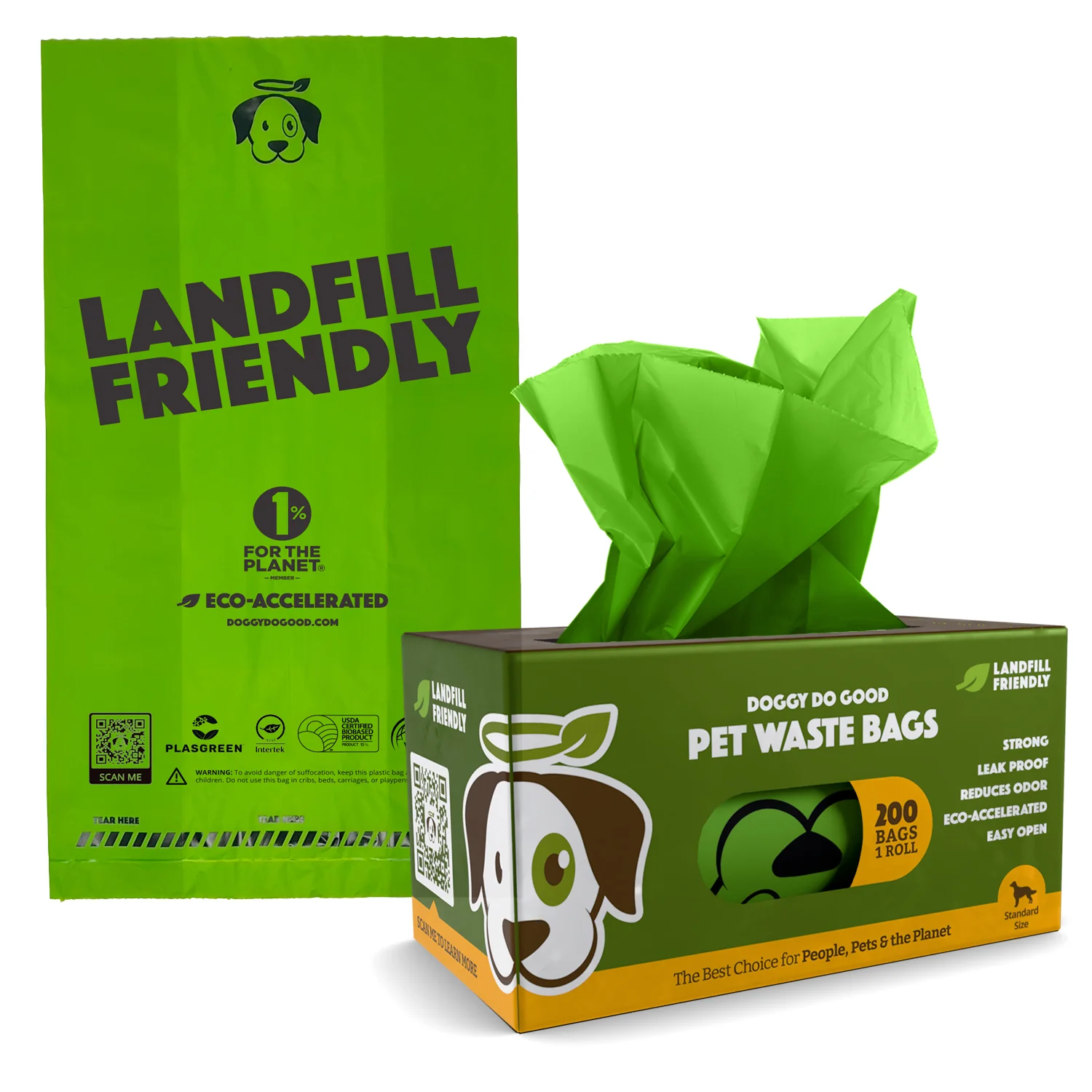
Eco-friendly pet waste bags serve as a sustainable alternative to traditional plastic bags, which significantly contribute to environmental pollution. These biodegradable and compostable options are crafted from materials such as corn starch, vegetable-based polymers, and recycled paper, all designed to break down more readily in natural environments. In contrast, conventional plastic bags can take hundreds of years to decompose, exacerbating the global waste crisis. The shift towards eco-friendly alternatives plays a crucial role in minimizing the ecological footprint of pet ownership.
The importance of selecting sustainable products for pet waste disposal cannot be overstated. By choosing eco-friendly pet waste bags, pet owners are not only practicing responsible pet ownership but also actively participating in the reduction of plastic waste. These sustainable bags decompose naturally and can even be added to compost piles, depending on local regulations and guidelines. Moreover, some eco-friendly bags come with certifications that guarantee they meet specific environmental standards, further validating their efficacy and commitment to sustainability.
Common misconceptions about eco-friendly pet waste bags often stem from assumptions regarding their durability and effectiveness. Some pet owners may believe that these alternatives are not as sturdy as conventional plastic bags; however, many eco-friendly options are designed to withstand the rigors of waste collection just as effectively. Additionally, concerns about the environmental impact of biodegradable materials often arise, but when disposed of correctly, these bags significantly reduce landfill waste and contribute to a healthier planet.
In recognizing the benefits of eco-friendly pet waste bags, pet owners can make informed decisions that positively impact their communities and the environment. By opting for these sustainable solutions, one contributes to a more accountable and eco-conscious lifestyle, helping to safeguard the planet for future generations.
Benefits of Using Eco-Friendly Pet Waste Bags
Switching to eco-friendly pet waste bags offers numerous advantages that positively impact both the environment and public health. One of the most significant benefits is the reduction of plastic pollution. Traditional plastic bags take hundreds of years to decompose, contributing to overflowing landfills and environmental degradation. In contrast, eco-friendly models are made from biodegradable materials, enabling them to break down naturally over time. This not only lessens the amount of plastic waste but also helps preserve natural habitats for wildlife that can be adversely affected by litter.
Another critical factor is the contribution to cleaner ecosystems. By using compostable waste bags, pet owners can actively reduce the amount of non-biodegradable waste released into the environment. This practice supports broader sustainable goals, as communities strive to minimize their environmental footprints. The adoption of eco-friendly pet waste bags aligns with global efforts to combat climate change, emphasizing the responsibility of pet owners to ensure a cleaner and healthier planet for future generations.
From a health perspective, eco-friendly pet waste management practices can foster a safer living environment for both pets and humans. Using biodegradable bags helps eliminate harmful chemicals present in conventional plastics that can leach into soils and waterways. Furthermore, reducing landfill waste mitigates the risk of harmful pathogens that can arise from traditional waste disposal methods, benefiting public health overall.
In conclusion, the transition to eco-friendly pet waste bags not only aids in reducing environmental pollution but also plays a crucial role in fostering healthier ecosystems and improving overall public health for pet owners and their communities. Embracing these alternatives exemplifies responsible pet ownership and a commitment to sustainable practices.
How to Choose the Right Eco-Friendly Pet Waste Bags
When selecting eco-friendly pet waste bags, various factors must be considered to ensure that you make an informed choice that aligns with your environmental values and the practical needs of your pet. First and foremost, the materials used in the production of these bags are critical. Look for bags that are made from biodegradable materials such as plant-based polymers, which break down more easily than traditional plastic. Some brands also use recycled materials, enhancing their eco-friendliness further.
Understanding certifications can also be immensely helpful in your selection process. Many eco-friendly products carry certifications like ASTM D6400 and EN13432, which indicate that the bags meet specific standards for compostability and biodegradability. Evaluating these certifications allows consumers to make more informed decisions regarding the sustainability of the products they choose.
Another important aspect is bag size and strength. Choose a bag that is adequately sized for your pet’s waste. A larger dog will naturally require a more robust bag, while smaller breeds may not need as much capacity. The strength of the bag is equally crucial; ensure that it can handle the waste without tearing, minimizing potential messes. Compatibility with existing dispensers should also be a consideration. Some bags are designed to fit universally, but others may not, leading to frustration during walks.
Price is another factor that can influence decision-making. While eco-friendly options may sometimes come at a premium, investing in high-quality bags can provide long-term savings and environmental benefits. Popular brands vary in price and quality, so comparing products by reading reviews and looking at customer feedback can be beneficial.
Lastly, eco-friendly pet waste bags can be purchased online through various retailers or in physical stores specializing in pet products. Taking the time to research options and consider these criteria will help you choose the right eco-friendly pet waste bags to support both your pet’s needs and the environment.
Best Practices for Disposal and Composting
Proper disposal of pet waste is crucial for maintaining a clean and eco-friendly environment. The growing awareness of the importance of sustainable practices means more pet owners are opting for eco-friendly pet waste bags. When using compostable options, it is essential to understand the nuances of their disposal to minimize environmental impact. First, always verify that the bags are certified compostable, as not all biodegradable materials break down effectively in composting systems or landfills.
When using compostable pet waste bags, one effective disposal method is to integrate them into your composting routine. However, it is vital to note that only dog waste is recommended for composting, as cat feces may contain pathogens harmful to humans. Therefore, dog owners can add their pet’s waste to a dedicated compost bin, ensuring it is mixed with other organic materials to facilitate the breakdown process. Be sure to monitor the compost pile’s temperature and moisture, promoting efficient decomposition.
In addition to composting, pet owners should adhere to local regulations regarding pet waste disposal. Some municipalities may have specific guidelines for disposing of pet waste, emphasizing the importance of compliance with these rules to prevent fines and promote community health. Furthermore, reducing the overall pet waste footprint can be achieved by being mindful of portion sizes, which can limit the amount of waste produced and decrease the need for disposables.
Lastly, exploring alternative solutions for pet waste management can enhance the eco-friendly approach. Options include pet waste digesters that convert waste into usable byproducts, minimizing landfill contributions. By integrating these practices with the use of eco-friendly bags, pet owners can significantly contribute to a cleaner environment. Ensuring responsible disposal and exploring innovative waste management solutions will foster a healthier planet for future generations.