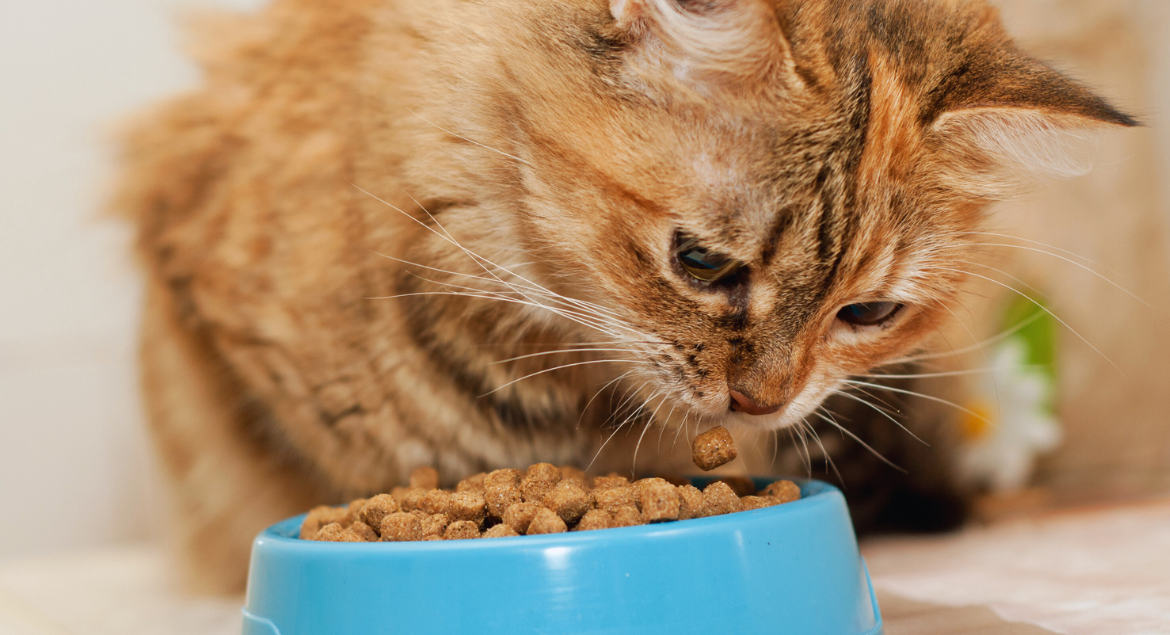
Grain-free cat food refers to a category of feline nutrition that deliberately omits grains such as wheat, corn, and soy. Instead, these formulations prioritize high-quality protein sources, including real meat, fish, and poultry, along with vegetables and fruits that offer essential nutrients. The trend towards grain-free diets has become increasingly popular among pet owners who are more conscious of the nutritional needs of their kittens.
The rationale behind grain-free cat food primarily stems from the natural dietary habits of cats. As obligate carnivores, felines primarily thrive on a protein-rich diet that closely resembles their ancestral diets. Grains, often used as filler ingredients in traditional cat foods, may not provide the necessary nutrients required for optimal health. Furthermore, some cats exhibit sensitivities or allergies to certain grains, leading to gastrointestinal issues or skin problems. By eliminating grains, grain-free diets aim to address these concerns while providing a balanced and wholesome alternative.
In addition to the absence of grains, grain-free cat foods typically incorporate a variety of high-quality ingredients such as peas, lentils, and potatoes, which serve as alternative sources of carbohydrates. These ingredients not only aid digestion but also contribute to overall energy levels and growth in kittens. Various brands also enhance their grain-free offerings with added vitamins and minerals to ensure that pets receive a comprehensive nutrient profile.
Ultimately, choosing grain-free cat food means aligning feeding practices with an understanding of natural feline nutrition. This approach can significantly benefit health and wellness while catering to the specific dietary needs of kittens. It is advisable for pet owners to read ingredient labels carefully, ensuring that the cat food offers a balanced diet devoid of grains and focused on high-quality protein content.
Nutritional Needs of Kittens
Kittens undergo rapid growth and development during their early months, necessitating a diet tailored specifically to meet their unique nutritional needs. The primary macronutrient requirement for kittens is protein, which is vital for developing lean body mass and supporting immune function. Proteins should ideally come from high-quality sources such as meat or fish, as these provide essential amino acids that are crucial for overall health. For feline diets, a protein content of 30-40% is generally recommended to accommodate their high energy and growth demands.
In addition to protein, fat is another significant component of a kitten’s diet. Fats, particularly those containing omega-3 and omega-6 fatty acids, not only serve as an energy source but also support brain development, skin health, and coat quality. Kittens require a fat content of around 20-25% in their diet to ensure they obtain the energy necessary to sustain their playful and active lifestyles.
The importance of vitamins and minerals cannot be overlooked when it comes to the dietary needs of kittens. Vitamins such as A, D, and E are essential for maintaining vision, bone health, and proper immune function. Additionally, minerals like calcium and phosphorus are crucial for developing strong bones and teeth. Unlike adult cats, kittens require higher levels of these nutrients in their food, making it imperative for their diet to include balanced and quality ingredients to ensure they receive the necessary amounts.
Feeding kittens a grain-free diet can be beneficial, as it typically emphasizes high-protein and nutrient-rich components that foster optimal growth. The focus should be on quality over quantity, with ingredients sourced responsibly to support a kitten’s development. Providing a proper balance of these nutrients will set the foundation for a healthy adult cat, highlighting the significance of considering nutritional needs from an early age.
Benefits of Grain-Free Diets for Kittens
Grain-free diets are increasingly recognized for their substantial benefits to kittens, who are in critical stages of growth and development. One of the primary advantages of a grain-free diet is improved digestion. Kittens often possess sensitive digestive systems, and eliminating grains can help reduce the risk of gastrointestinal disturbances. By focusing on high-quality proteins and fats, grain-free formulas are easier for young cats to process, ensuring they receive essential nutrients without unnecessary fillers.
Another significant aspect of grain-free diets is their potential to alleviate allergies. Many kittens experience food sensitivities that can manifest as skin irritations or digestive issues. Grains, particularly common types like wheat and corn, can trigger allergic reactions in some cats. A grain-free diet typically consists of alternative ingredients such as fish, chicken, or novel proteins that can help mitigate these adverse reactions while offering a more tailored nutritional profile that caters to individual needs.
In addition to enhanced digestibility and allergy management, grain-free foods often contribute to better skin and coat health. The absence of grains allows for higher levels of quality animal-based proteins and fatty acids, which play a crucial role in maintaining healthy skin and a lustrous coat. Essential fatty acids, particularly omega-3 and omega-6, are vital for skin integrity and may prevent various dermatological issues commonly encountered during a kitten’s early life.
Furthermore, many grain-free cat foods contain a higher protein content. Kittens, being obligate carnivores, thrive on protein-rich diets that mirror their natural dietary habits. An adequate protein intake is vital for their growth, muscle development, and overall energy levels. However, it remains essential for pet owners to understand that each kitten may have unique dietary requirements. Consulting with a veterinarian can ensure that the chosen grain-free diet aligns with the specific health needs of the kitten.
Potential Concerns with Grain-Free Cat Food
The popularity of grain-free cat food, particularly among those caring for kittens, has surged in recent years. However, this shift has sparked discussions concerning potential concerns and implications of such diets. One notable issue is the risk of nutritional imbalances that might arise when grains, which can serve as a source of essential nutrients, are eliminated from a feline’s diet. Grains often contain vital vitamins and minerals, and their absence necessitates careful consideration of alternative ingredients to ensure that kittens receive a balanced diet. Therefore, pet owners must be diligent in selecting grain-free products that are specifically formulated to meet the nutritional requirements of growing cats.
Another area of concern surrounding grain-free cat food involves its potential link to dilated cardiomyopathy (DCM), a serious heart condition that has increasingly garnered attention from pet health experts. DCM has been associated with diets low in certain amino acids, particularly taurine, which is crucial for heart health in cats. Some studies suggest that certain grain-free diets may lack adequate levels of this nutrient because they replace grains with high levels of peas, lentils, or other ingredients that may not provide sufficient taurine. Consequently, it becomes imperative for cat owners to carefully scrutinize food labels and choose products that ensure an adequate supply of essential amino acids.
Consulting with a veterinarian before making any significant dietary changes for kittens is vital. Veterinarians possess the expertise to recommend the most suitable dietary options based on individual health needs, age, and lifestyle, helping to mitigate potential risks associated with grain-free diets. By prioritizing professional guidance, pet owners can navigate the complexities of nutrition while promoting optimal health for their kittens.
How to Choose the Right Grain-Free Cat Food for Your Kitten
Choosing the appropriate grain-free cat food for your kitten is a crucial aspect of their growth and overall health. Kittens require a diet that supports their rapid development, making it essential to evaluate the ingredients and nutritional content thoroughly. Start by checking the ingredient list; the best grain-free cat foods prioritize high-quality protein sources such as chicken, turkey, or fish as the primary ingredients. These proteins are vital for muscle development and overall health.
When analyzing the nutritional labels, pay close attention to the guaranteed analysis section, which provides information on protein, fat, fiber, and moisture content. A suitable grain-free formula for kittens should contain at least 30% protein and a fat content between 15% to 20%, which ensures that your growing feline receives the right balance of nutrients. Additionally, it is essential to look for formulations specifically designed for kittens, as they contain higher levels of essential vitamins and minerals that are crucial for healthy growth.
Furthermore, consider brands with reputable manufacturing standards and transparency in sourcing their ingredients. Research brands that are known for their quality control and positive reviews from pet owners. Certifications from organizations that verify the safety and quality of pet foods can also serve as indicators of reliability. Engaging with other pet owners and reading expert reviews can provide insight into the best grain-free options on the market.
Lastly, be mindful of your kitten’s individual tastes and preferences. It might take some trial and error to find a grain-free cat food that your kitten enjoys. However, ensuring that they receive a balanced diet tailored to their needs is crucial for fostering their health and well-being.
Top Grain-Free Cat Food Brands for Kittens
In the ever-evolving landscape of pet nutrition, several brands have emerged as leaders in the field of grain-free cat food specifically tailored for kittens. These brands are recognized for their commitment to high-quality ingredients, diverse flavors, and unique formulations that cater to the nutritional needs of growing felines.
One prominent brand is Wellness, well-regarded for its grain-free options. Their formulations emphasize high-quality proteins and include real meat as the first ingredient. This approach ensures that kittens receive essential nutrients for healthy growth. Wellness offers a variety of flavors, including chicken and salmon, appealing to a range of palates. Additionally, they incorporate beneficial ingredients such as DHA, which supports brain development in young cats.
Another reputable option is Blue Buffalo, known for its holistic approach to pet food. Their grain-free kitten formulations include high-quality animal protein and are loaded with antioxidants from whole fruits and vegetables, promoting overall health. Blue Buffalo’s recipes are thoughtfully crafted, containing no artificial preservatives or fillers, which appeals to health-conscious pet owners. Flavors like duck and turkey are also available, providing diverse choices for discerning kittens.
Instinct is another noteworthy brand that offers raw, grain-free cat food options for kittens. Their unique offerings include freeze-dried raw pieces, which preserve the natural goodness of the ingredients. Instinct’s commitment to minimally processed food ensures that essential nutrients are retained, supporting optimal health and growth during the critical kitten stages. They provide several flavors, with an emphasis on protein-rich meats that excite young cats.
Lastly, Nutrish by Rachael Ray offers budget-friendly yet nutritious grain-free cat food. This brand is dedicated to using simple, natural ingredients, making it accessible for many pet owners. Their kitten food formulas generally include real meat and wholesome vegetables, emphasizing a balanced diet. Nutrish’s approachable pricing combined with quality ingredients makes it an attractive choice for those seeking valuable nutrition for their kittens.
Choosing the right grain-free cat food for kittens is crucial for their development. The brands discussed above offer various options that prioritize ingredient quality and the essential nutrients needed for optimum growth.
Transitioning Your Kitten to Grain-Free Cat Food
Transitioning your kitten to grain-free cat food is a significant step toward ensuring they receive a diet that aligns with their natural nutritional needs. Unlike adult cats, kittens require a careful and gradual adjustment to new food to minimize gastrointestinal disturbances and help them adapt smoothly to this dietary change. The process should typically take about 7 to 10 days, during which you can introduce the new food while accounting for your kitten’s well-being.
Initially, start by mixing a small portion of the grain-free cat food with your kitten’s current food. A recommended ratio is about 25% new food to 75% old food. As your kitten becomes accustomed to the taste and texture, you can gradually increase the proportion of grain-free food. Each day, increase the amount by 10-20% while ensuring your kitten is responding positively to the change.
Throughout the transition period, it is essential to closely monitor your kitten’s health and behavior. If any of these symptoms occur, you may need to slow down the transition process. Returning to the previous diet temporarily can help stabilize their digestive system before continuing with the gradual introduction of the grain-free option.
Ensure that the grain-free cat food you select meets the nutritional requirements for kittens, providing adequate protein, fat, and essential vitamins and minerals crucial for their growth and development. Additionally, maintaining a consistent feeding schedule can aid in the overall adaptation process as kittens tend to thrive on routine.
In conclusion, a careful and methodical approach to transitioning your kitten to grain-free cat food will not only help in achieving a successful dietary change but also promote a healthy and vibrant lifestyle for your feline companion.
Feeding Tips for Kittens on a Grain-Free Diet
Implementing a grain-free diet for your kitten can lead to healthier growth and development. However, it is essential to approach feeding with careful consideration to ensure your kitten’s nutritional needs are met. One of the primary factors to consider is portion size. Generally, they require more calories and protein to support their development. A standard recommendation is to feed your kitten approximately 20 calories per pound of body weight each day, divided into several small meals. As a grain-free diet often relies on protein-rich ingredients, be vigilant about measuring portions to avoid overfeeding, which can lead to obesity.
Feeding frequency is equally important when catering to grain-free dietary needs. Kittens should ideally be fed three to four times a day. This regular schedule helps ensure they receive adequate nutrition while also promoting a healthy metabolism, which may support their energy levels during playtime. As with any diet, it’s important to observe your kitten’s behavior and adjust without abruptly changing their feeding routine.
Hydration is another crucial aspect of a kitten’s grain-free diet. The transition from a grain-based diet may cause a change in water intake, especially if you’re feeding dry food. Ensure that fresh, clean water is available at all times, and consider incorporating wet food into their diet, which not only provides hydration but also a variety of nutrients. Regular vet check-ups are essential in monitoring your kitten’s health, adjusting feeding routines, and ensuring that they are thriving on a grain-free diet. A veterinarian can also guide you on suitable grain-free food options tailored to your kitten’s specific nutritional needs.
Conclusion: Is Grain-Free Cat Food Right for Your Kitten?
In evaluating the suitability of grain-free cat food for kittens, it is essential to consider various factors that contribute to their health and development. Throughout this blog post, we have highlighted the advantages of selecting grain-free options, including better nutrient absorption, improved digestion, and the potential reduction of allergic reactions in susceptible felines. Kittens, in particular, require a balanced and nutritious diet to support their rapid growth, energy needs, and overall well-being. Therefore, understanding the composition of grain-free diets is crucial in making informed choices.
While grain-free cat food can provide numerous benefits, it is vital for pet owners to assess the individual needs of their kittens. Not all kittens will thrive on the same diet; some may require additional ingredients commonly found in grain-inclusive options. Furthermore, it is important to recognize that not all grain-free products are created equal. Quality varies significantly among brands, so it is advisable to seek out those with reputable nutritional profiles and ingredient transparency.
Consultation with a veterinarian is an important step in determining if a grain-free diet aligns with your kitten’s specific requirements. Your veterinarian can offer personalized guidance and recommendations, taking into account any health concerns or dietary restrictions your kitten may have. This collaborative approach ensures that your kitten’s nutritional needs are met comprehensively.
In summary, while grain-free cat food may offer significant benefits for some kittens, it is essential to weigh these advantages against potential drawbacks and to tailor your choices to your kitten’s unique health profile. By being attentive to their needs and obtaining professional advice, pet owners can foster a healthy and thriving environment for their growing companions.