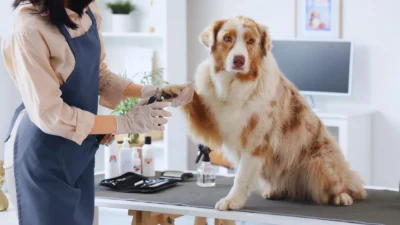

Pet hair presents a unique challenge for pet owners, primarily due to the sheer volume of fur that can accumulate on furniture. Various pet breeds, particularly dogs and cats, are known for their shedding tendencies. Breeds such as Golden Retrievers, Labrador Retrievers, and Persians are notorious for losing significant amounts of hair throughout the year. The shedding process often intensifies during seasonal changes, causing a noticeable increase in pet hair deposits on upholstery and other furniture surfaces.
The materials and textures of furniture also play a critical role in how easily pet hair adheres. Fabrics such as velvet and microfiber tend to attract and hold onto hair more readily than smoother surfaces like leather or vinyl.
Moreover, pet hair can harbor allergens and dust, thus negatively impacting the hygiene of a home environment. For many individuals, especially those with allergies or asthma, pet hair can exacerbate respiratory issues, creating a pressing need for effective hair removal solutions. The frustration for pet owners often arises when they dedicate time to cleaning, only to find their efforts minimal in combating the relentless presence of pet hair.
Recognizing the types of pets that shed more actively and identifying how pet hair interacts with various furniture surfaces set the stage for exploring efficient pet hair removal solutions that can alleviate these common frustrations.
Types of Pet Hair Removal Tools Available
When it comes to managing pet hair on furniture, various tools have been designed to tackle this common challenge. Understanding the different types available can significantly streamline the cleaning process and enhance your home’s aesthetics.
One of the most accessible tools is the lint roller. This handheld device consists of a sticky paper roll, which effectively picks up pet hair from clothing and upholstery. Lint rollers are particularly useful for quick clean-ups and can be conveniently stored in a purse or drawer. They work best on smooth surfaces, and while they may not be as effective on thick fabrics, they are a staple for many pet owners.
Vacuum cleaners have evolved to better accommodate pet owners, incorporating specialized attachments for hair removal. Many modern vacuums feature powerful suction mechanisms and adapted brushes designed specifically for pet hair. These can effectively remove hair from various surfaces, such as carpets, rugs, and furniture upholstery. Furthermore, some models come with HEPA filters, which can help trap allergens, providing additional benefits for households with allergy-sensitive individuals.
These brushes create friction, making it easier to gather and lift hair from furniture and clothing. The advantage of rubber brushes lies in their versatility; they can be used on several materials and are particularly effective at removing hair from upholstery without damaging the fabric.
Lastly, there are specialized pet hair removal gadgets that have emerged in the market. These tools often feature innovative designs, like the pet hair remover mitt or paddle brushes with unique bristle patterns. Such gadgets can make the process more enjoyable and less tedious, while achieving a thorough clean.
In summary, understanding these various types of pet hair removal tools allows pet owners to select the most suitable option based on their specific needs and the types of furniture in their homes.
How to Choose the Right Tool for Your Furniture
When it comes to selecting the appropriate pet hair removal tool for your furniture, several factors must be considered to ensure effectiveness and ease of use. The type of furniture you have—be it fabric, leather, or wood—will significantly influence your choice. Each material interacts differently with pet hair, necessitating specific tools to tackle the stubbornness of the hair effectively.
For fabric furniture, such as upholstered sofas and chairs, a lint roller or a rubber glove can be particularly effective. Lint rollers utilize sticky sheets to safely lift away hair without damaging the fabric. Alternatively, a damp rubber glove can accumulate hair through static electricity, making it an eco-friendly choice. Those with pets that leave dense fur may also consider a fabric brush or specialized pet hair vacuum attachments that target embedded hair.
If your furniture is made of leather or wood, the cleaning approach changes. For leather, avoid using water or harsh chemicals, as they can damage the surface. Instead, opt for a soft microfiber cloth that can gently lift pet hair without scratching the leather. Wooden furniture can be cleaned using a slightly damp cloth, followed by a dry finish to prevent moisture damage. Additionally, using a vacuum with a brush attachment is an efficient way to remove hair from wood surfaces without risk.
Another important consideration is the size and portability of the tool. A compact lint roller or a small handheld vacuum can be easily stored and accessed, making regular cleaning more manageable. Ensure that whichever tool you choose is user-friendly and suits your cleaning routine. By evaluating your furniture type and your pet’s grooming habits, you can select the most suitable hair removal tool, allowing you to maintain a clean and welcoming home environment.
DIY Solutions for Pet Hair Removal
Removing pet hair from furniture can often feel like a never-ending battle for pet owners. Fortunately, there are several effective DIY methods that utilize common household items, providing cost-effective alternatives to commercial pet hair removal tools. Here are some practical solutions worth trying.
One of the simplest methods involves using rubber gloves. This technique takes advantage of the rubber’s ability to create static electricity, which can attract pet hair effectively. To begin, put on a pair of dry rubber gloves and gently rub your hands over the upholstered surfaces of your furniture. The pet hair will cling to the gloves, making it easy to gather and dispose of. This method is not only efficient but also eco-friendly, as it requires no special products.
Another effective solution is to use a damp cloth or sponge. Dampen a clean cloth or sponge slightly with water, ensuring it is not dripping wet. As you wipe the furniture, the moisture will help gather the pet hair without pushing it further into the fibers of your upholstery. Make sure to frequently rinse the cloth or sponge to maintain its effectiveness. This method is particularly useful for small areas or intricate furniture designs.
If you have an old lint roller at home, repurposing it can also aid in pet hair removal. Simply run the roller over your furniture, and the sticky sheets will catch the hair easily. In addition to its standard usage, you can enhance its effectiveness by lightly spraying it with a fabric softener solution, making it even more efficient at lifting pet fur.
Overall, these DIY methods can assist in maintaining a cleaner environment for pet owners, eliminating the need for expensive tools while ensuring furniture remains hair-free. By incorporating these techniques into your regular cleaning routine, you can enjoy a tidier space without much hassle.
Comparing Top-Rated Pet Hair Removal Tools
When it comes to maintaining a clean home in the presence of pets, investing in effective pet hair removal tools is essential. Throughout the market, various products have garnered attention from pet owners due to their efficiency and ease of use. This comprehensive comparison highlights some of the top-rated pet hair removal tools, allowing pet owners to make informed decisions.
One of the leading tools is the Fur-Zoff Pet Hair Removal Tool, which uses a unique abrasive surface to lift and remove embedded hair from furniture. Priced at approximately $15, this tool has garnered high praise for its durability and powerful performance on various fabrics. However, it is important to note that some users find it less effective on certain upholstery types.
Another noteworthy option is the ChomChom Roller, which is a reusable lint roller that effectively removes pet hair from both clothing and furniture. Its design features a dual action roller that captures hair without requiring adhesive sheets. Retailing around $30, it boasts ease of use and a sustainable approach, but the cost may be a concern for budget-conscious consumers.
With a price tag of approximately $150, this vacuum includes specialized pet-hair attachment tools and a tangle-free design. While it provides deep cleaning capabilities, some users report that its weight can be cumbersome during cleaning sessions.
For those seeking an eco-friendly solution, the Eco-Mist Pet Hair Remover allows users to de-fur furniture using simple water-based mist. At just under $10, it appeals to environmentally conscious individuals.
In conclusion, each of these highlighted pet hair removal tools offers distinct advantages and some drawbacks. The best choice ultimately hinges on individual preferences, budget, and the specific requirements of one’s household. Evaluating their features and customer feedback can significantly aid in selecting the most suitable tool for effective pet hair removal.
Tips for Regular Maintenance and Usage
Maintaining a fur-free living space requires consistent effort and the right methodologies. To minimize pet hair accumulation on furniture, developing a routine is essential. Daily maintenance should incorporate a quick check of pet-friendly areas. This can include using a handheld vacuum or lint roller on favorite resting places to prevent hair from embedding in upholstery.
In addition to daily efforts, a more thorough cleaning should be part of a weekly schedule. When engaging in weekly maintenance, utilizing deeper cleaning methods for furniture surfaces is crucial. For example, a vacuum equipped with a pet hair attachment can be invaluable, especially for those stubborn hairs that cling to fabrics. Using this tool not only removes pet hair but also eliminates allergens and dust, contributing to a healthier living environment.
Optimal usage of pet hair removal tools can enhance their effectiveness. Always begin by working from the top of upholstered furniture downwards to allow any dislodged hair to fall away. When using a lint roller, apply moderate pressure and roll in one direction to capture as much pet hair as possible. It is also beneficial to keep these tools easily accessible, reducing the temptation to skip maintenance.
Many pet owners find that fabric softeners can help reduce static electricity, making hair easier to remove. Adding a fabric softener to laundry can soften pet bedding and other blankets, thus minimizing hair transfer to furniture surfaces. Additionally, consider investing in washer-safe furniture covers. These protective layers can catch fur and are easily washable, allowing for effortless cleaning.
Overall, developing consistent routines and employing optimal methods are key aspects in keeping a home smooth and fur-free. By following these practices, pet owners can enjoy their time with their furry companions while maintaining clean and comfortable living spaces.
Environmental Considerations When Choosing Tools
As pet owners consider the most effective methods for managing pet hair in their homes, it is crucial to also reflect on the environmental impact of the tools they choose. Many conventional pet hair removal products, such as disposable lint rollers or one-time-use sheets, contribute significantly to ocean pollution and landfill waste. The production and disposal of these products often involve non-biodegradable materials, which can harm wildlife and ecosystems. Therefore, opting for environmentally responsible alternatives can be a significant step toward promoting sustainability.
One viable option is selecting tools made from sustainable materials. For example, many pet hair brushes and vacuums are now being manufactured with biodegradable plastics or recycled materials. By doing so, manufacturers lessen their carbon footprints and offer consumers an eco-friendly choice. Furthermore, tools made from natural fibers, such as bamboo or cotton, are increasingly popular for those looking to minimize their environmental impact while efficiently managing pet hair.
In addition to choosing sustainable materials, reusable products significantly reduce waste. Rather than relying on disposable rollers or sheets, pet owners can invest in reusable lint brushes or vacuums that capture hair without the need for constant replenishment. These reusable tools not only benefit the environment but also provide significant cost savings over time. Additionally, some appliances come equipped with washable filters that eliminate the need for single-use options, further decreasing waste generation.
In conclusion, choosing eco-friendly pet hair removal tools involves considering sustainable materials, embracing reusable options, and reducing overall waste. By making informed decisions on pet hair management tools, pet owners can maintain clean and comfortable homes while also promoting environmental responsibility.
When to Seek Professional Help
Pet hair removal is an essential aspect of maintaining a clean and healthy living environment, particularly for households with furry companions. While there are numerous DIY methods available for pet hair removal, there are specific situations in which these approaches may prove insufficient. Recognizing these signs is crucial in determining when it is appropriate to enlist the aid of professional cleaning services.
One indication that the situation may be beyond DIY solutions is a significant accumulation of pet hair in the furniture. When pet hair becomes deeply embedded in upholstery or carpets, standard vacuuming or lint rollers may not effectively eliminate it. In such cases, specialized equipment used by professionals can lift and extract pet hair that regular household tools cannot access. The occasional shedding of a pet is manageable, but if you notice a persistent building up of fur, it may be time to call in an expert.
Additionally, if you begin to notice a musty odor emanating from your furniture, this could signify that pet fur and dander have combined with other debris, leading to unpleasant smells. Professionals are typically equipped with advanced cleaning solutions that not only tackle hair but also remove odors and allergens. This capability is essential for maintaining air quality and overall hygiene in your living space.
Moreover, if you find that your efforts to remove pet hair result in minimal visible improvement, or if you are constantly battling hair on your furniture, it signifies that a deeper cleaning may be necessary. Professionals can offer comprehensive cleaning services that extend beyond mere surface cleaning, ensuring that your furniture is restored to its pristine condition. Ultimately, understanding these signs will guide pet owners in deciding when to seek professional help for pet hair removal.
Conclusion: Embracing Life with Pets and Clean Furniture
Living with pets undeniably brings joy and companionship; however, it also introduces the challenge of managing pet hair in our homes. Throughout this guide, we have explored a variety of pet hair removal tools, ranging from lint rollers and vacuum cleaners to specialized brushes designed to tackle this persistent issue. Each tool presents unique benefits that cater to different needs and preferences, offering solutions for maintaining clean furniture and a tidy living space.
It is essential to acknowledge that pet hair is an inevitable part of pet ownership. Despite this, it does not have to become overwhelming. By integrating effective hair removal tools into your cleaning routine, you can significantly reduce the impact of pet hair on your furnishings. Regular maintenance and the strategic use of the right tools will ensure that your living environment remains pristine, even when shared with your furry friends. Moreover, the investment in these removal tools can save time and effort, transforming a daunting task into a more manageable and less time-consuming endeavor.
As pet owners, embracing the reality of shedding while utilizing effective solutions is key to achieving a harmonious balance between a clean home and a pet-friendly atmosphere. It is highly encouraged to experiment with various methods and tools to find the most effective ones that suit your specific cleaning habits and pet behaviors. By doing so, you can not only enhance your quality of life but also foster a space where both you and your pets can coexist happily. Remember, a clean home can indeed coexist harmoniously with your beloved furry companions, and with the right strategies in place, maintaining that cleanliness is entirely achievable.