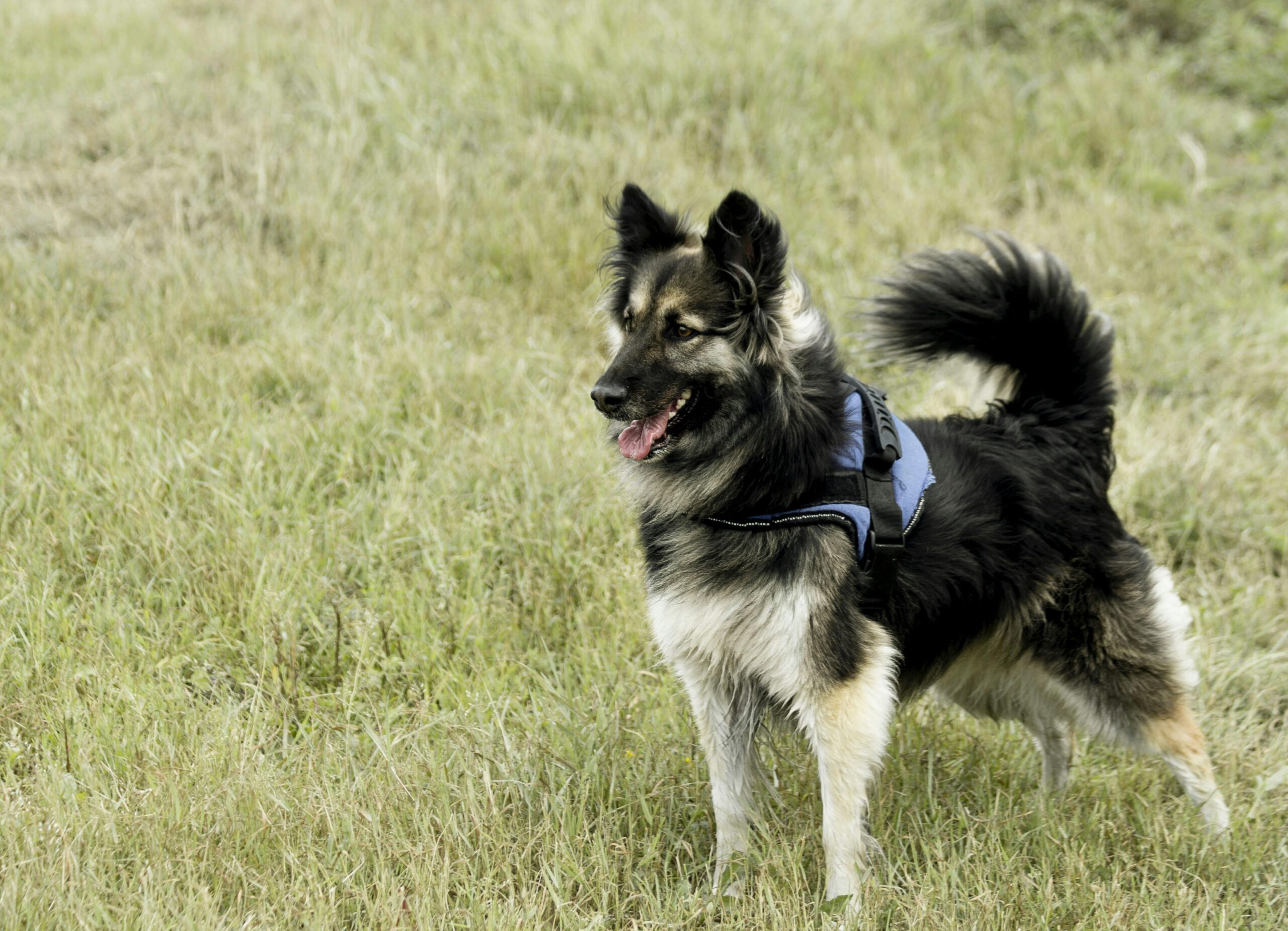
Choosing the right dog harness is essential, particularly for dogs known to pull during walks. A well-designed harness distributes the force of a dog’s pulling across a larger area of the body, significantly reducing strain on delicate areas such as the neck and spine. Traditional collars can pose risks, especially to small or brachycephalic breeds, leading to potential injuries like tracheal collapse or neck strain. In contrast, harnesses are engineered to carry the load more evenly, promoting healthier walking habits and contributing to the long-term well-being of your pet.
Harnesses equipped with a front-clip attachment can help redirect a dog’s pulling instinct by encouraging them to turn back towards the owner when they attempt to lunge forward. This design not only grants the owner better control over their dog but also aids in implementing positive reinforcement training techniques. By discouraging pulling in a humane and effective manner, harnesses facilitate a more pleasant walking experience for both the dog and the owner.
Moreover, selecting the appropriate harness can also enhance the bond between an owner and their dog. A comfortable harness allows a dog to explore its environment freely while providing a sense of security and control. This combination fosters a more enjoyable outdoor experience, reducing frustration and anxiety for both parties involved. In this context, investing in a high-quality dog harness is not just about function, but also about promoting a healthier, happier lifestyle for your canine companion, ultimately reinforcing good behavior and a positive human-animal relationship.
Key Features to Look for in a Harness for Pulling Dogs
When selecting a harness for dogs that exhibit pulling behavior, several key features play a vital role in ensuring both comfort and control. First and foremost, adjustable straps are essential. A well-fitted harness not only prevents chafing but also provides the necessary support to discourage pulling.
Another crucial aspect is the harness’s padded design. Padding around the chest and back areas can prevent discomfort during walks, particularly for dogs prone to pulling. Padding also reduces the risk of injury, especially for breeds with a sensitive disposition. Look for harnesses that feature soft, breathable materials, which can enhance comfort for your dog, making them more agreeable during walks.
Secure fittings cannot be overlooked when choosing a harness. Harnesses with sturdy buckles and additional clips ensure that dogs cannot easily escape, which is particularly important for energetic pullers. Safety should be a top priority, as an escaping dog can be a hazard both to themselves and others.
A front attachment point assists in redirecting your dog’s momentum back towards you, minimizing pulling, while a back attachment provides a convenient option for regular walking. Lastly, durability should be a significant consideration; a harness made from high-quality materials will withstand the rigors of vigorous pulling, ensuring a long-lasting investment in your dog’s walking gear.
Types of Harnesses Suitable for Pulling Dogs
There are several popular types of harnesses available on the market, each with its unique features, advantages, and drawbacks regarding managing pulling behavior.
However, some dogs may find these harnesses uncomfortable, particularly if they have a history of restrictive or improper harness use.
Back-clip harnesses are another common option. They attach the leash at the back of the dog’s body, which can encourage a more natural gait for some dogs. However, these harnesses may not be as effective for controlling pulling behavior, as they do not redirect the dog’s movement. It is essential to consider your dog’s pulling tendencies and physical characteristics when selecting this type of harness.
No-pull harnesses combine elements of both front and back-clip designs, incorporating features like a martingale effect or adjustable straps to discourage pulling. They can effectively deter a dog from pulling without causing discomfort. However, owners should monitor their dog’s adjustment to ensure they do not become overly anxious or frustrated when wearing such harnesses.
They provide comfort and can be particularly beneficial for larger breeds. Nonetheless, some vest-style designs may not prevent pulling effectively, if not paired with an appropriate leash attachment.
Top Picks for the Best Dog Harnesses for Pulling Dogs
When it comes to finding the best dog harnesses for pulling dogs, selecting a product tailored for your pet’s unique characteristics is vital. Here, we present a curated list of top selections, each designed to manage strong pullers with different features and benefits. These harnesses aim to provide control, comfort, and safety for both the dog and the handler.
This harness features an adjustable design that accommodates various sizes and breeds, providing cushioning for long walks. Its front clip allows for effective leash training, redirecting pulling behavior while ensuring the dog feels comfortable. It is particularly recommended for medium to large breeds that exhibit moderate to strong pulling tendencies.
Another excellent choice is the No-Pull Dog Harness by PetSafe. Designed with a martingale loop at the front, this harness discourages pulling by tightening slightly without choking, providing immediate feedback to the dog. It is suitable for small to medium-sized breeds, making it an optimal choice for those who require a gentle yet effective solution to manage their pulling habits.
The BarkBay No Pull Dog Harness is also worth noting, featuring a lightweight, breathable material combined with dual leash attachment points. Its reflective straps enhance visibility during night walks, making it ideal for active dogs who enjoy outdoor adventures.
Lastly, the Kurgo Tru-Fit Smart Dog Harness provides an additional level of safety with its crash-test certification, offering peace of mind during car rides as well. This versatile harness can be used for walking and travel, catering to both intuitive handling and comfort. It’s especially suited for dogs of various sizes that require both restraint and adaptability when pulling.
How to Properly Fit a Harness on Your Dog
Fitting a dog harness correctly is crucial for both your dog’s comfort and safety. An ill-fitting harness can lead to discomfort, chafing, or even injury, while a properly fitted harness allows for ease of movement and effective leash control. The following guide will present a step-by-step approach to ensure the harness fits your dog perfectly.
To begin, gather the necessary tools for measuring, which include a flexible measuring tape and perhaps a pen and paper for recording measurements. Start by measuring the around the dog’s chest, just behind the front legs. This measurement will be the most critical, as it determines the size of the harness needed. For many breeds, an oversized harness can lead to slipping, while a too-tight harness can restrict movement.
Next, measure the neck circumference by wrapping the tape around the base of the dog’s neck. It’s advisable to leave about two fingers’ width between the tape and the neck to ensure comfort. Once you have these measurements, refer to the manufacturer’s sizing chart for the specific harness you are considering, as sizes may vary between brands.
Pay close attention to the adjustment points, which should allow for individual customization depending on your dog’s breed and body shape. For dogs who are particularly muscular, wider adjustment options may be beneficial. Ensure that the harness does not rub against sensitive areas of the skin; you should be able to fit two fingers between the harness and the dog’s body.
Once the harness is fitted, allow your dog a few minutes to get used to wearing it before heading out. This acclimatization period is vital, especially for breeds that may be sensitive to new gear. By following these steps, you can ensure your dog is comfortable and secure, making for an enjoyable experience during walks.
Training Tips for Reducing Pulling Behavior
Reducing pulling behavior in dogs, especially those who tend to tug on their harnesses, requires consistent training and specific techniques. One of the most effective methods is positive reinforcement. This approach entails rewarding your dog with treats, praise, or toys when they exhibit desired walking behavior, such as staying beside you rather than pulling ahead. By providing positive feedback, dogs learn to associate walking calmly with enjoyable rewards, making them more likely to repeat this behavior in the future.
Another important technique to incorporate is leash training. When you begin a walk, ensure that your dog is in a calm state before putting on the harness. Start walking by establishing a loose leash and changing directions frequently. This abrupt halt signals to the dog that pulling will not help them reach their desired destination. This method teaches dogs that they can only move forward when they maintain a loose leash, effectively reducing their instinct to pull.
Timing is crucial in training; therefore, rewarding your dog at the right moment is essential. You should reward them immediately after they exhibit a calm demeanor during the walk or when they walk beside you without pulling. By being consistent with your rewards and incorporating clear commands, you’ll build a strong foundation of good behavior over time. Patience is key, as it may take weeks or even months for more reactive dogs to fully adapt to these new patterns. Through consistent practice and a focus on positive reinforcement, you can significantly diminish pulling behavior, leading to more enjoyable walks for both you and your dog.
Many dog owners often make mistakes when using a dog harness that can compromise its effectiveness and the comfort of their pet. Regularly checking the fit as dogs grow or gain weight is also essential.
There are various dog harnesses available, such as those designed for small breeds, large breeds, or those that require no-pull features. Understanding your dog’s behavior, size, and walking style can help you choose a harness that enhances the walking experience while ensuring safety.
Harnesses can provide additional control, but without training, a dog may still pull excessively. Training sessions that incorporate positive reinforcement and patience are essential in helping dogs understand how to behave while wearing a harness. Owners should gradually introduce the harness and allow their pets to get accustomed to it—this familiarity can improve the overall experience for both the owner and the dog.
By addressing these common mistakes—ensuring a proper fit, selecting the right type of harness, and investing time in training—dog owners can greatly enhance their experiences during walks, leading to safer and more enjoyable outings.
Maintaining Your Dog Harness: Care & Cleaning Tips
Ensuring the longevity and hygiene of your dog harness is vital, particularly for active pulling dogs. Proper care will not only extend the life of the harness but also ensure that it remains safe and comfortable for your pet. The first step in maintaining your dog harness is to regularly inspect it for signs of wear or damage.
When it comes to cleaning, most dog harnesses can be washed by hand in warm water using a mild detergent, which is recommended to preserve the material’s strength and avoid any detrimental effects from harsher chemicals. For harnesses made from synthetic materials such as nylon or polyester, machine washing on a gentle cycle can be acceptable; however, placing the harness in a mesh laundry bag is advisable to prevent entanglement. Always refer to the manufacturer’s washing instructions to avoid voiding any warranties or damaging the harness.
Air drying is the preferred method after washing. Additionally, a regular cleaning schedule—such as after every few outdoor walks, particularly in muddy or rainy conditions—will keep your dog’s harness free from harmful bacteria and odors.
If you notice any significant wear, or if the harness no longer fits snugly or securely, it is time for a replacement. Regular maintenance and periodic replacements contribute to the overall well-being of your pulling dog while ensuring that the harness remains effective.
Real-Life Experiences: Reviews and Testimonials
Numerous testimonials from satisfied customers shed light on how specific harnesses have improved their daily routines with their energetic companions.
One dog owner, Emma, shared her experience with the “Easy Walk Harness.” After struggling for months with her Lab mix, who would lunge and pull during walks, Emma decided to give this harness a try. She noted that the design, which features a unique front-clip, significantly minimized her dog’s pulling behavior. “I could finally enjoy walking my dog without feeling like I was being dragged along!” Emma exclaimed. Her narrative illustrates how the right harness can transform walks from a chore into a pleasurable bonding experience.
Another positive account comes from James, who chose the “Ruffwear Front Range Harness” for his German Shepherd. “The reflective strips make evening walks safer, and my dog seems much more comfortable in it compared to previous harnesses,” James stated. His endorsement highlights the importance of comfort and safety features in choosing a harness for pulling dogs.
Additionally, Sarah shared her success with the “PetSafe Easy Walk Harness,” emphasizing its effect on her Beagle’s pulling. She appreciated the adjustment options available, which allowed for a perfect fit. “It feels like I finally have control during walks without hurting my dog or myself,” Sarah noted. Her testimonial reinforces the idea that an effective harness not only curtails pulling but also ensures a more harmonious walking experience for both the dog and the owner.
These real-life experiences illustrate the effectiveness of various harnesses in managing pulling behavior, paving the way for enjoyable walks and deeper bonds between dogs and their owners.