
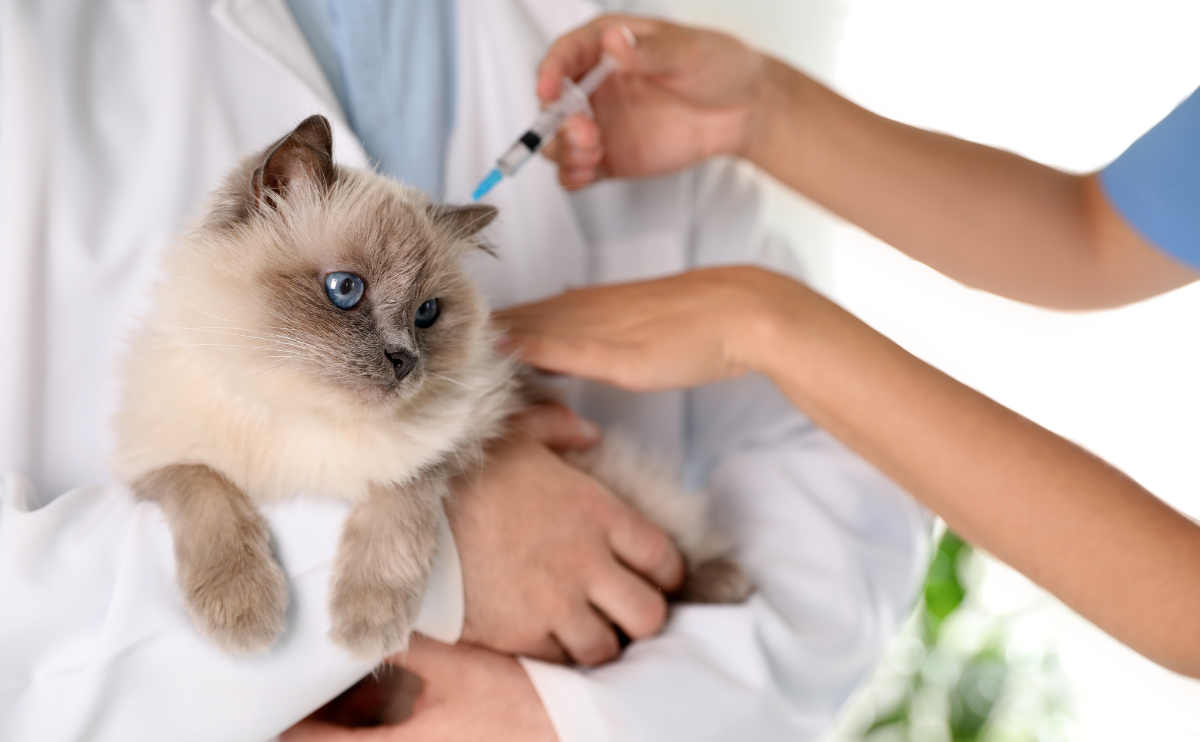
Vaccinations play a crucial role in protecting our feline friends from a variety of preventable diseases, ensuring they lead healthier, happier lives. Just as vaccinations have helped manage human diseases, they’re equally vital for cats. These immunizations not only shield individual cats from specific viruses and bacteria but also prevent the spread of illnesses in feline communities. Whether your cat lives strictly indoors or explores the great outdoors, vaccinations are essential in safeguarding against potentially deadly infections.
Understanding Vaccinations for Cats
Vaccinations are biological preparations that stimulate an immune response in cats, priming their bodies to recognize and combat certain pathogens. Each vaccine contains antigens, which resemble the disease-causing organisms but are either dead or weakened so they can’t cause illness. When a cat is vaccinated, its immune system learns to recognize these foreign bodies and builds a defense against them, effectively preventing infection or reducing disease severity if exposed in the future.
Why Are Vaccinations Crucial for Cats?
Vaccinating cats isn’t just about individual protection—it’s a community health measure. Cats are prone to certain contagious diseases, some of which can spread rapidly among other cats, especially in shelters or multi-cat households. Vaccines are designed to keep these infections at bay, ensuring your cat remains healthy and free from dangerous illnesses. Vaccinated cats are less likely to contract severe forms of diseases, which can be life-threatening and lead to prolonged suffering.
Types of Vaccines for Cats
Veterinary experts classify cat vaccines into two main categories: core and non-core vaccines. Core vaccines are universally recommended for all cats, regardless of their lifestyle, as these target diseases that can be severe or even fatal. Non-core vaccines, on the other hand, are given based on a cat’s specific lifestyle and environment. For example, outdoor cats or those in multi-cat households may benefit from additional vaccinations to protect against highly transmissible diseases.
Core Vaccines Every Cat Needs
The core vaccines for cats include:
- Rabies: Mandatory in many regions, rabies vaccination is essential for all cats, as rabies is a deadly virus that can be transmitted to humans.
- Feline Viral Rhinotracheitis, Calicivirus, and Panleukopenia (FVRCP): Often given as a combined vaccine, the FVRCP is crucial in protecting cats from upper respiratory infections and feline distemper, which is highly contagious and can be fatal.
These core vaccines lay the foundation for a cat’s immunity, protecting against illnesses that can be highly contagious or life-threatening, and are generally administered on a set schedule beginning in kittenhood.
Non-Core Vaccines and Their Purpose
Non-core vaccines are selectively administered based on the cat’s exposure risk. Examples include:
- Feline Leukemia Virus (FeLV): This vaccine is recommended for outdoor cats or those who may come into contact with cats carrying the virus.
- Bordetella: Cats in shelters or boarding facilities might need this vaccine, which protects against respiratory illness.
Non-core vaccines are tailored to a cat’s specific needs, ensuring added protection without unnecessary treatments. Owners should discuss these options with their veterinarian, who can assess environmental risks and recommend appropriate vaccinations.
How Cat Vaccinations Work
When a cat receives a vaccine, its immune system identifies the antigens and starts producing antibodies. This “practice run” trains the immune system, so it’s prepared to fight off the actual disease if the cat is exposed later. Vaccines do not cause disease because the antigens are modified to be harmless, yet they effectively prepare a cat’s body to recognize and combat real pathogens. This immunity-building process reduces the likelihood of severe illness, helping keep cats safer in the long run.
The Vaccination Schedule for Cats
Following the recommended vaccination schedule is essential to ensure your cat remains adequately protected. Typically, kittens begin their vaccinations around six to eight weeks of age, with booster shots administered every few weeks until they’re 16 weeks old. Adult cats require periodic boosters, usually on an annual or triennial basis, depending on the vaccine type. Sticking to this schedule reinforces immunity, keeping infections at bay.
Risks of Not Vaccinating Your Cat
Cats that skip vaccinations face higher risks of contracting illnesses that could have otherwise been prevented. Feline diseases like panleukopenia (feline distemper) or calicivirus can spread quickly among unvaccinated cats, leading to severe health problems, long-term complications, and even death. Unvaccinated cats are more susceptible to outbreaks, making it essential for pet owners to keep their cats’ vaccinations up-to-date for both individual and community health.
Addressing Common Myths About Cat Vaccines
There are various myths surrounding vaccinations for pets, some of which discourage owners from vaccinating their cats. For example, one common misconception is that indoor cats don’t need vaccinations. However, even indoor cats can be exposed to viruses through air, human contact, or other animals. Another myth is that vaccines cause more harm than good, but serious side effects are rare, and the protection they provide far outweighs these minimal risks.
Vaccinations for Indoor Cats
While it might seem unnecessary to vaccinate cats that never go outside, even indoor cats can be exposed to diseases. Viruses and bacteria can hitch a ride on your clothing, other pets, or even through an open window. Core vaccines are strongly recommended for indoor cats, providing a safety net that protects them from common feline diseases, despite their limited exposure to the outside world.
Vaccinations for Outdoor Cats
Outdoor cats face a significantly higher risk of encountering infectious diseases, as they’re more likely to interact with other animals or contaminated environments. In addition to core vaccines, outdoor cats often benefit from non-core vaccines, such as the feline leukemia vaccine, to protect against infections they may encounter outside.
Potential Side Effects of Cat Vaccinations
Most cats experience only mild side effects, such as slight fever or tenderness at the injection site. Usually, they go away in a day or two. However, some cats may exhibit more severe reactions, including vomiting or breathing difficulties, which require immediate veterinary attention. Although these reactions are rare, knowing what to watch for can help owners manage their cat’s post-vaccination care effectively.
How to Prepare for Your Cat’s Vaccination Appointment
Preparing for a vaccination visit involves ensuring your cat is calm and comfortable. Try to keep their schedule relaxed, and bring familiar items, like a favorite blanket, to help reduce stress. During the appointment, your veterinarian will perform a health check, and you can discuss any questions or concerns you may have about the vaccinations.
Cost of Cat Vaccinations
While the cost of cat vaccinations varies depending on location and veterinary practice, the expense is a worthwhile investment in your pet’s health. Regular vaccinations often prove to be more affordable than treating severe diseases, potentially saving money on veterinary bills over time. Many clinics offer vaccination packages or wellness plans to make preventive care more budget-friendly.
Conclusion
Vaccinations are a cornerstone of responsible pet ownership, ensuring cats stay healthy and safeguarded from avoidable illnesses. Whether you have an indoor cat or an adventurous outdoor one, maintaining an up-to-date vaccination schedule is essential for their well-being. By working closely with your veterinarian and adhering to recommended vaccine protocols, you can help protect your feline friend, ensuring they live a long, healthy life.