
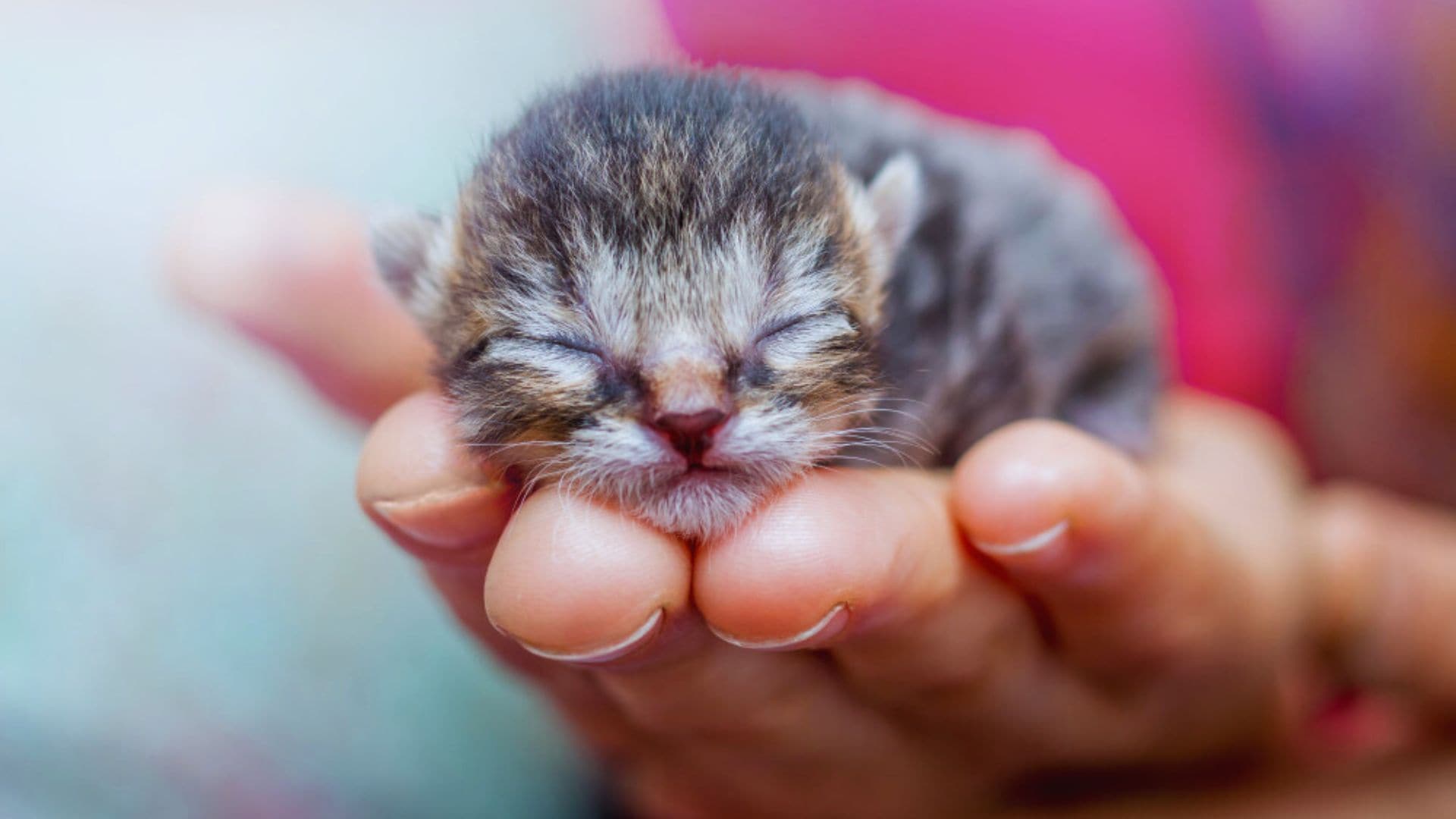
Watching newborn kittens develop is one of the most rewarding experiences for any cat lover. These tiny creatures enter the world helpless, with closed eyes, folded ears, and limited mobility, relying entirely on their mother for warmth, nutrition, and protection. One of the most common questions new kitten owners ask is, “when do kittens open their eyes?” Typically, kittens open their eyes between 7–14 days, with most fully opening by 2 weeks old.
Understanding this milestone is crucial, not only for monitoring development but also for providing proper care. In this guide, we’ll explore why kittens are born with their eyes closed, a detailed timeline of eye development, tips for caring for kittens during this stage, warning signs of eye problems, and additional milestones like mobility and vision development. Following these guidelines ensures your kittens grow healthy, curious, and strong—while avoiding complications that could affect their vision permanently.
Why Are Kittens Born with Their Eyes Closed?
Biological Protection During Birth
Kittens are born with closed eyes as a protective mechanism. The birthing process exposes them to the outside world, which is filled with bacteria and viruses. Their immature immune systems cannot yet defend against infections, so the eyelids act as a natural shield during this vulnerable period. Many other predator species also display this adaptation, emphasizing its evolutionary advantage.
Developmental Reasons
Newborn kittens’ nervous and sensory systems are underdeveloped. Their retinas are not ready to process light, and tear production takes weeks to begin. Closed eyelids help maintain a moist, protected surface and prevent damage to sensitive eye tissues during early growth.
Natural Adaptation
Being small and underdeveloped makes birth easier for the mother, and keeping their eyes closed reduces the risk of injury. This adaptation ensures safe delivery and early protection of developing corneas and retinas, laying the foundation for healthy vision.
The Timeline: When Do Kittens Open Their Eyes?
Week-by-Week Development
Newborn (Days 0–7):
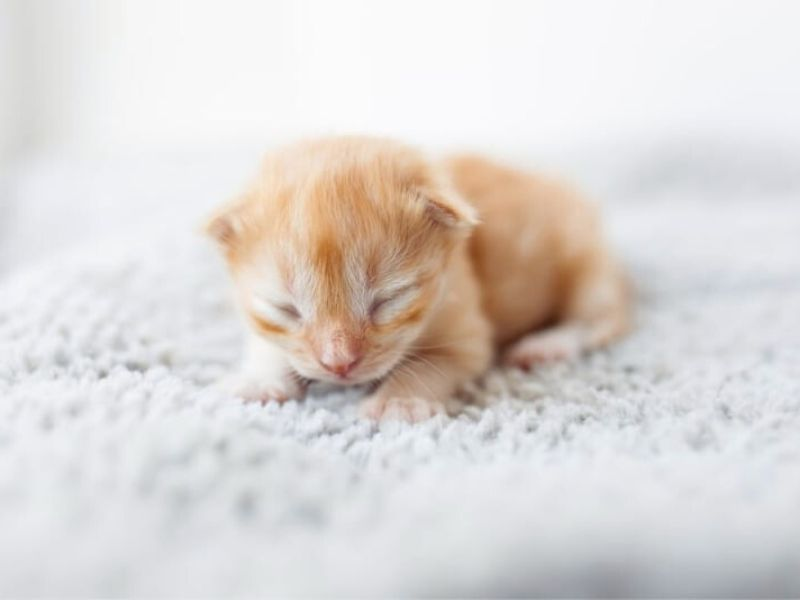
Eyes are tightly closed, ears folded, and kittens rely on scent and warmth to navigate. The umbilical cord remains attached until about day 4–5. Kittens sleep up to 22 hours daily.
Days 7–10:
Eyes begin to crack open gradually, often starting at the corners. One eye may open before the other, and vision is still minimal.
Days 10–14 (2 weeks):
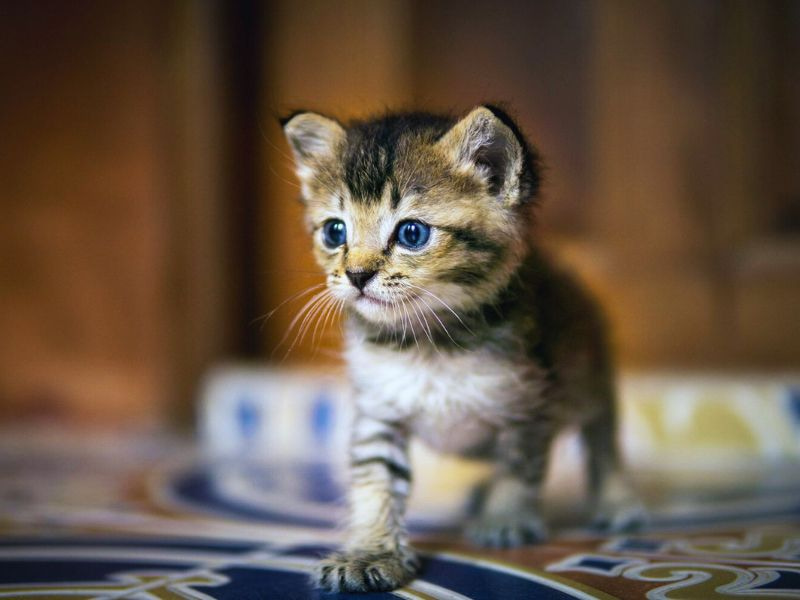
Most kittens have fully opened eyes by this stage. Pupils may squint, and eyes appear blue due to undeveloped pigment. Ear canals also begin to open.
Week 3:
Kittens can focus better and respond to light and movement. They start attempting to walk, though unsteadily.
Weeks 4–5:
Eyesight becomes sharper, visual acuity improves, and kittens confidently explore their surroundings. Increased blood flow enhances overall vision.
Individual Variation
Kittens open their eyes anywhere from 2–16 days, and both eyes may not open simultaneously. These variations are normal and influenced by genetics, nutrition, and overall health.
Understanding Blue Eyes: When Do Kittens’ Eyes Change Color?
Why All Kittens Start with Blue Eyes
All kittens are born with blue eyes because their melanin-producing cells are inactive during the first 6 weeks of life. Without pigment, the iris appears blue regardless of the kitten’s eventual adult eye color. This natural characteristic is seen across almost all breeds and provides a temporary, uniform appearance during early development.
Eye Color Development Timeline
Eye color begins to change gradually as kittens grow:
-
Weeks 3–6: Eyes remain blue, though melanin may start to accumulate, causing subtle darkening.
-
Week 7: The adult eye color starts to emerge, with the iris slowly developing its true pigment.
-
Week 8: Most kittens settle into their permanent hue, though minor adjustments may continue for several months.
-
Adulthood: In some cases, subtle changes in eye shade continue into adulthood, depending on genetics and breed.
Final Eye Colors
Kittens may develop a range of adult eye colors, including yellow, green, orange, or brown. Some breeds, such as Siamese or Ragdolls, retain their blue eyes permanently due to genetic traits. Ultimately, genetics, breed, and sometimes health factors determine the final color.
Understanding this timeline helps owners avoid unnecessary concern about blue eyes in young kittens and anticipate normal developmental changes in eye color as they mature.

How to Care for Kittens as Their Eyes Open
Environmental Care
Keep kittens in a dim, quiet area during early eye development. Bright lights can damage sensitive retinas. Gradually introduce normal lighting to encourage adjustment.
Hygiene and Cleaning
Clean kittens’ faces gently with a warm, damp cloth. Never force eyes open—doing so may cause blindness or infections. Avoid soap or harsh chemicals.
Temperature Regulation
Newborn kittens cannot regulate their body temperature until around 6 weeks. Maintain 85°F (29°C) initially using a heating pad or disk. Provide blankets for comfort and a cooler area to prevent overheating. Gradually reduce supplemental heat as they mature.
Feeding and Nutrition
Kittens with their mother will nurse naturally. Orphaned kittens require bottle feeding every 2–4 hours with kitten formula enriched with DHA for eye and brain development. Weight gain should average 0.5 oz per day.
Gentle Monitoring
Daily checks ensure eyes develop properly. Handle with care, monitor for discharge, redness, or other unusual signs, and allow the mother to provide natural care when present.
Common Eye Problems in Newborn Kittens
Crusted or Matted Eyes
Crusted or matted eyes are among the most common issues preventing kittens’ eyes from opening properly and are usually caused by bacterial or viral infections, often passed from the mother or the environment. To treat this condition, gently clean the eyes with a warm, damp cotton ball, taking care never to use soap or harsh chemicals that could damage the delicate tissues. Keeping bedding and surrounding areas clean and dry helps prevent recurrence. Early and careful cleaning promotes natural eye opening and reduces the risk of the infection spreading, supporting healthy eye development.
When to See a Veterinarian
Veterinary care is essential if any concerning signs appear in newborn kittens. Seek professional attention if the eyes haven’t opened by 3 weeks (21 days), if there is redness, swelling, or excessive squinting, or if there is discolored or thick discharge. It is also important to consult a veterinarian if one eye is significantly delayed in opening or if kittens show low energy or decreased appetite. Prompt evaluation and treatment help prevent permanent vision issues and other complications, ensuring the kittens develop healthy eyes and overall well-being.
Specific Eye Conditions
Some kittens are born with structural or developmental eye problems that can affect their vision and overall eye health. Conjunctivitis, commonly known as pink eye, is caused by bacteria or viruses such as feline herpesvirus, calicivirus, or Chlamydophila. Microphthalmia occurs when the eyes are smaller than normal, while coloboma refers to incomplete eyelid formation. Entropion is a condition where the eyelids turn inward, causing irritation, and some kittens may have a prolapsed third eyelid or cysts. Additionally, improper development of the lens or retina can impair vision. Identifying these conditions early is crucial, as it allows for timely intervention and proper management to support healthy eye development and prevent long-term complications.
Eye Care Products
Only use kitten-safe eye cleaners approved by veterinarians, such as Vetericyn® Plus Antimicrobial Eye Wash or Miracle® Care Sterile Eye Wash Pads. Clean only when debris or discharge is present, and follow your vet’s recommendations for frequency and technique.
Importance of Prompt Treatment
Prompt treatment preserves long-term eye health, prevents infections from worsening, and reduces the risk of permanent vision loss. Early intervention ensures kittens can continue developing normally and enjoy clear, healthy eyesight.
Kitten Mobility Development
Walking Timeline
Kittens develop mobility gradually as their muscles, coordination, and senses mature.
-
2 weeks: Kittens begin crawling, using their front legs to push forward while wobbly and unsteady.
-
3 weeks: They become more coordinated, starting to walk short distances and explore their immediate surroundings.
-
4 weeks: Kittens walk confidently, begin jumping and playing, and start interacting with littermates and toys.
-
5 weeks: They enter the curious and adventurous stage, practicing climbing, pouncing, and exploring more complex areas safely.
Other Developmental Milestones
Mobility development in kittens occurs alongside several key milestones that are essential for healthy growth. Teeth emergence begins around 3 weeks, preparing them for the weaning process, which takes place between 5–10 weeks as kittens transition from milk to solid food. Around 6 weeks, kittens start regulating their body temperature, and first vaccinations are recommended between 6–8 weeks to protect against infectious diseases. Spay or neuter procedures are typically scheduled between 5–6 months to prevent unwanted litters and support healthy development. Tracking mobility alongside these milestones helps ensure kittens are developing normally and allows caregivers to identify potential issues early. Providing proper supervision and safe exploration spaces supports confidence, physical development, and overall well-being.
Conclusion
Kittens typically open their eyes between 7–14 days, but individual variation is normal. Never force eyes open—patience is key. Provide a quiet, warm, and clean environment, and monitor daily for warning signs like discharge, redness, or swelling. Vision continues developing over the first few weeks, so gentle care and proper nutrition are essential.
Watching kittens open their eyes and explore the world is a magical experience. By following proper guidelines, you ensure their development is healthy, safe, and joyful. When in doubt, consult a veterinarian to preserve your kittens’ long-term vision and well-being.
FAQs
What is the normal age for kittens to open their eyes?
Between 7–14 days, with most fully open by 2 weeks old.
Can I help my kitten open its eyes?
No, never force eyes open. Can cause blindness and infections. Be patient.
Why do all kittens have blue eyes?
Pigment-producing cells aren’t active yet. Adult color develops over weeks.
What if only one eye opens?
Slight delays are normal. If no improvement by 3 weeks, consult a vet.
How long until they can see clearly?
Vision gradually improves. Clearer by 4–5 weeks, fully developed after several months.